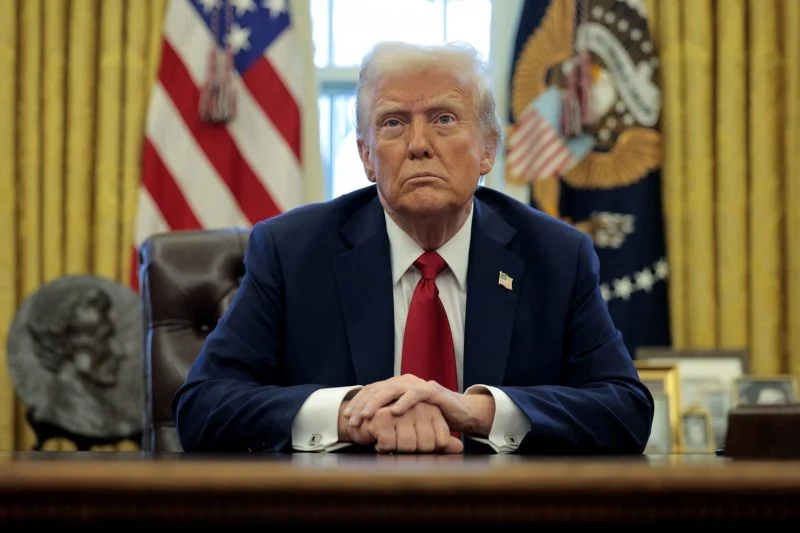
In rapid developments, Washington is holding talks with officials in Havana, with the aim of reaching an agreement, according to US President Donald Trump. This comes a few days after he threatened to impose an oil blockade on Cuba, which is facing a severe economic crisis in light of long-standing US sanctions.
The Trump administration escalated pressure on Cuba after the United States removed and arrested Venezuelan President Nicolas Maduro on January 3, especially since Venezuela was a strong ally of Havana and a major source of its oil imports.
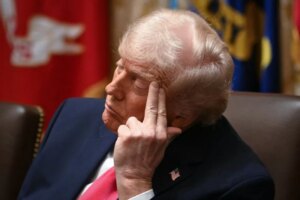
Trump told reporters last Sunday at his resort in Mar-a-Lago, Florida, saying: “Cuba is a failed state. It has always been that way, but now it no longer has Venezuela to support it.” He added: “So we are talking with the Cubans, at the highest levels, and we will see what happens. I think we will reach an agreement with Cuba,” without clarifying the nature of this agreement.
On the other hand, the Cuban Foreign Ministry did not confirm Trump’s statements in a statement published on its website, but it reiterated that the island does not represent a “threat to the security of the United States,” stressing that it “does not host any foreign military or intelligence bases.” She added that Havana is ready to “maintain a dialogue based on mutual respect” with Washington.
Last Thursday, Trump signed an executive order allowing additional customs duties to be imposed on countries that sell oil to Cuba, which led the next day to massive congestion in front of gas stations in Havana.
In another context, the head of the US mission in Cuba, Mike Hammer, said that he was subjected to insults and insults from some residents during his visit to the province of Trinidad in the center of the country. He explained in a video clip posted on the “X” platform that these “belong to a specific party,” but stressed that they “do not represent the Cuban people nor ordinary Cubans.”
For its part, the Office of Western Hemisphere Affairs in the US State Department called on the “illegitimate Cuban regime” to stop what it described as repressive acts and interference in diplomatic work, stressing that American diplomats will continue their meetings with the Cuban people despite attempts at intimidation.
Trump and his Secretary of State, Marco Rubio, did not hide their intention to change the regime in Havana, as the US President called on Cuba to “conclude an agreement soon,” warning of unspecified consequences, and said: “There will be no more oil or money for Cuba: nothing!”
On the other hand, Mexican President Claudia Sheinbaum announced that her government plans to send humanitarian aid to Cuba, including food and other products, and to work to find a diplomatic solution to continue supplying the island with oil despite Washington’s threats, noting that she did not discuss the oil issue with Trump during a recent phone call.