January 26, 2026
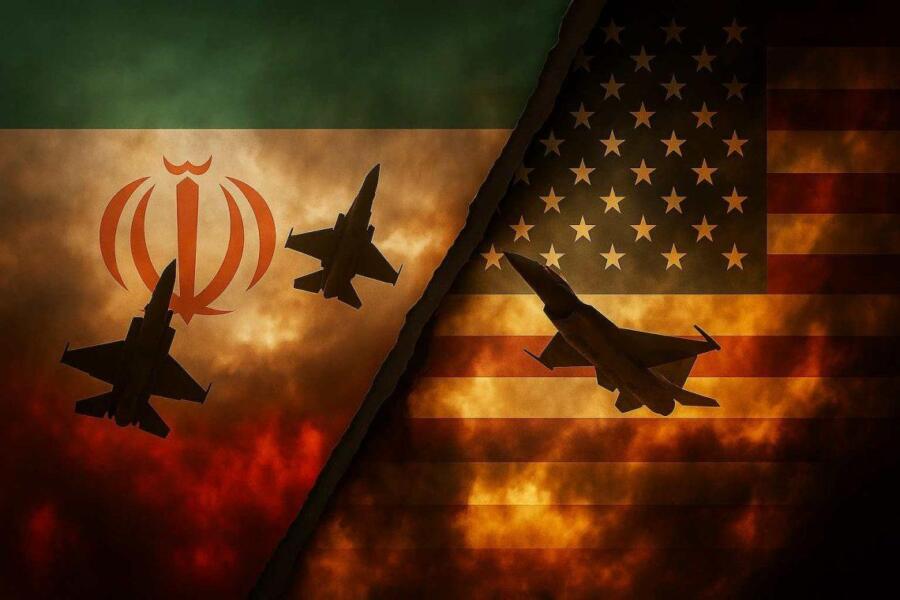
The Middle East is holding its breath as indicators of tension around Iran escalate, in light of increasing reports that the US military is close to completing its readiness for possible military options. In this context, a newspaper was published Maariv An analytical report by the writer Avi AshkenaziIn it, he discussed the form of the strike if it was carried out, the possibilities of Tehran’s response, and the limits of its ability to withstand or wage a wide confrontation.
Ashkenazi begins his analysis by emphasizing that the scene is still open to all possibilities: there is no set date for any American military action, and no guarantee that the strike will occur at all, and its nature and size remain indefinite until the last moment.
But on the other hand, the writer believes that the size of the current American preparations suggests an unusual readiness. According to the report, the forces deployed in the region include aircraft carriers, warships, and strategic bomber squadrons, in addition to multi-mission fighter aircraft, drones, and missile ships, as well as cyber capabilities, electronic warfare platforms, and broad logistical support, which reflects preparation for a complex, multi-level operation.
Ashkenazi points out that US President Donald Trump He is not inclined, according to his well-known behavior, to long, open wars, and does not wish to appear helpless or a loser. Based on this, the report suggests that any attack may begin with a very strong “opening wave”, aiming to cause a major strategic shock, before moving later to a gradual escalation in the frequency of strikes, which may turn within 24 hours into something resembling a broad military “tsunami”.
On the other hand, the Maariv report presents Israeli estimates about Iranian capabilities, noting that Tehran has tried during the past six months to restore part of its military strength. The writer mentions that Iran has obtained a limited number of combat aircraft from Russia, but these additions – according to estimates – do not change the balance of American air superiority, nor even the Israeli one in the event of its direct involvement.
Despite this, the report notes that Iran still possesses a significant military industrial base and the ability to produce missiles, launch platforms, air defense systems, and drones. Ashkenazi also does not rule out that Tehran will receive technical or logistical support from China and North Korea, but he believes that these factors remain insufficient to enable it to wage a comprehensive war in the face of the huge American power.
On the air defense level, the report indicates that Iran is working to reassemble the remainder of its systems that were not damaged in previous confrontations, and redeploy them around Tehran and sites it considers to be a strategic priority.
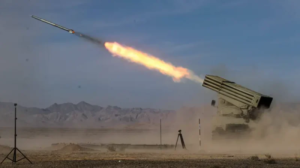
As for the ballistic missile issue, Ashkenazi believes that the real challenge does not lie only in the number of missiles, but in the operational ability to launch them at a high pace. According to Israeli estimates reported by Maariv, Iran has between 1,500 and 2,000 missiles, but it only has less than 100 launching platforms. Also, a large portion of these missiles operate on liquid fuel, which requires a long time to prepare, slows down the launch, and makes them exposed and vulnerable to targeting before they are used.
From this angle, the report concludes that the potential American plan may be based on broad strikes with diverse objectives, not limited to specific facilities, but also includes paralyzing Iran’s response capabilities and dismantling its military structure, thus reducing its ability to respond in an organized manner during the first hours.
Ashkenazi adds that Trump recently returned to alluding to tools that Washington had previously used in foreign operations, including disabling air defense systems through unconventional means, in a reference that is likely related to electronic warfare, which reinforces the hypothesis of incorporating this type of capabilities into any potential strike against Iran.
Pending the final American decision, the Maariv report indicates that Israel continues, at the same time, to target what it describes as “threats from Iranian proxies,” especially in Lebanon, where a series of air strikes were carried out during the past hours, including strikes in the Bekaa region, with the aim of reducing the margin of maneuver in front of Tehran and preventing the opening of additional pressure fronts.
Ashkenazi concludes by saying that the level of tension in the region is likely to escalate further, while Trump is keeping his cards close to his chest, amid complete uncertainty about the final path of the plan. As for Israel, there is a state of alert, but with an effort to manage the situation with a logic of anticipation and preparedness, in parallel with an attempt to maintain the pace of daily life as much as possible.