The Iranian Security Council issued an analytical statement last Wednesday regarding the “recent terrorist acts” that Iran witnessed, reviewing the nature of the events, their human losses, and the involvement of the United States and Israel in them.
In its statement to the “noble and courageous Muslim” Iranian people, the council announced that monitoring, information gathering, and security measures taken during the past days led the security and judicial authorities to the conviction that after the “imposed war” that lasted 12 days by the United States and the Zionist entity, and the Islamic Republic of Iran’s response to this aggression, the enemy concluded that “the mere use of military force cannot subdue the Iranian people.”
The statement pointed out that the unity and social solidarity of the people were among the most important reasons for what it called the “victory of Islamic Iran” in the imposed war, and a focal point on which the Iranian forces relied in their response, considering that the United States and the Zionist entity later changed their strategy by targeting the social fabric of the Iranian people in order to undermine national will.
The council explained that after peaceful protests by merchants and business owners in some cities, the President listened directly to their representatives during sessions, and issued directives to the police to exercise tolerance in dealing with peaceful gatherings, in addition to instructions to address the problems of economic activists. However, “organized nuclei of chaos,” as stated in the statement, sought to turn the protests into acts of violence in various cities during the period from December 29, 2025, to January 6, 2026, which caused damage to the people and the country.
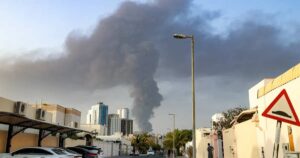
The statement added that the next stage, on January 7 and 8, 2026, witnessed severe acts of violence and organized armed attacks targeting places and gatherings with the aim of bloodshed and destruction of public and private property, during which “numerous terrorist acts” occurred in various regions of the country.
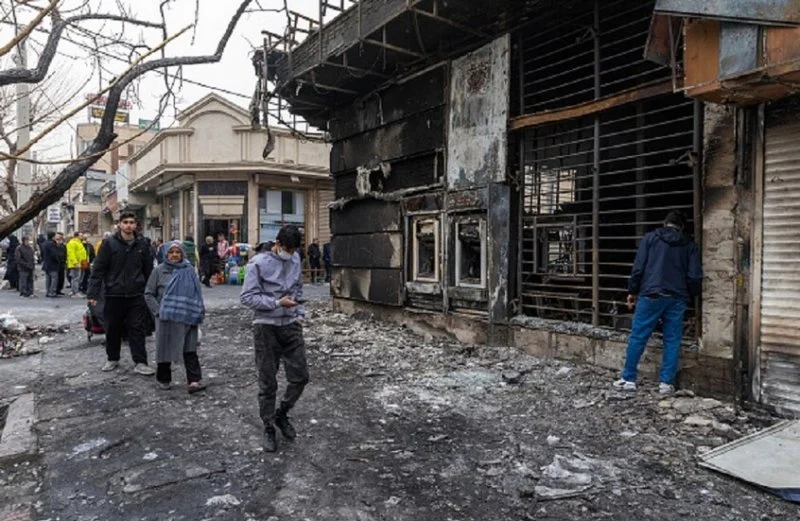
The council pointed out that these acts, in addition to the damage to markets, shops, banks, mosques, Husseiniyas, ambulances, public transport, treatment centers, gas stations, etc., resulted in crimes “in the style of ISIS,” including burning, beheading, and stabbing, along with the extensive use of firearms, which led to the martyrdom of 2427 innocent civilians and law enforcement and security personnel, out of a total of 3117 deaths in these events.
The council affirmed that, according to the documents available to it, a “major heinous crime” was recorded during these two days with the support of the enemies of the Islamic Republic of Iran against the Iranian people.
The statement concluded by emphasizing that “with the wisdom and positions of the Leader of the Islamic Revolution, and with the efforts and sacrifices of the security and police forces, and with the popular presence on January 12, 2026, the enemy failed to achieve its goal of expanding the scope of chaos and insecurity,” stressing that national unity and solidarity imposed a “new defeat” on Iran’s enemies.