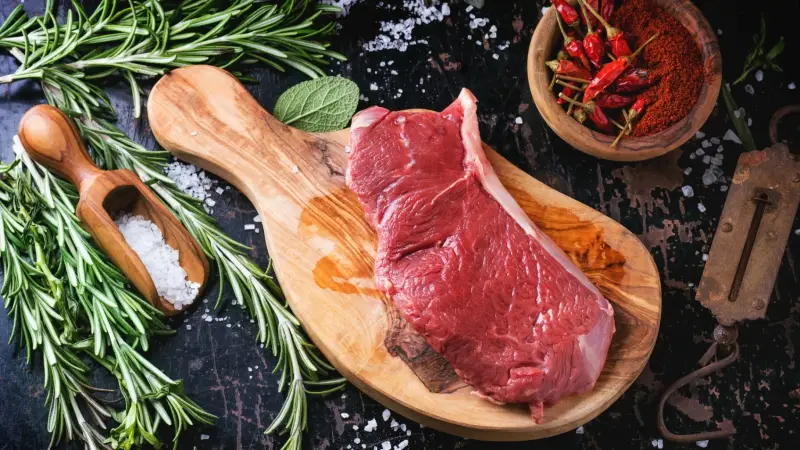
The latest U.S. federal dietary guidelines stipulate “prioritizing protein foods at every meal” and advise increasing the daily amount to twice the previously recommended amount.
“We are ending the war on protein,” stated Health Secretary Robert F. Kennedy Jr. in a social media post from the White House.
While the recommendations emphasize red meat, whole milk, and other animal protein sources, while downplaying plant-based products.
Doubts about protein
But leading nutrition experts are skeptical of promoting protein, saying that Americans already consume more protein than they need, and there is no new evidence that their consumption needs to be significantly increased.
They add that eating more protein may, for many, lead to increased fat and higher rates of diabetes.
Tufts University nutrition expert Dr. Dariush Mozaffarian said: “If you are actively working to build muscle through strength or resistance training, more protein can help. Otherwise, you’re getting enough.”
Stanford University nutrition expert Christopher Gardner said: “Sales of canned foods fortified with protein will increase at a time when one of the main messages is to eat real food, and eat whole foods.”
What is protein?
- Protein is an essential nutrient found in every cell of the human body.
- It is necessary for the growth and repair of muscles, bones, skin, hair, and other organs and tissues.
- It is made up of building blocks called amino acids, including some acids that the body does not produce and must be obtained from food.
For decades, American dietary guidelines and other sources have recommended that people consume 0.8 grams of protein per kilogram of body weight each day, or about 54 grams per day for a person weighing 150 pounds.
The new guidelines recommend eating between 1.2 and 1.6 grams of protein per kilogram of body weight, up to twice the previously recommended amount.
The guidelines indicate that adults need to eat at least 100 grams of protein per day, half or more of which should be from animal sources.
What is the harm of eating more protein?
Nutrition experts pointed out that trials focusing on weight loss are not usually used to develop dietary recommendations for the general public.
In a new article published in the Journal of the American Medical Association, Mozaffarian stated that there is little evidence, except for use in strength or resistance training, that “increased protein builds muscle or provides other health benefits.”
Mozaffarian continued that:
- In fact, the liver can convert excess dietary protein into fat.
- That may increase the risk of accumulating harmful fat in the abdominal area around vital organs, and increase the risk of developing diabetes.