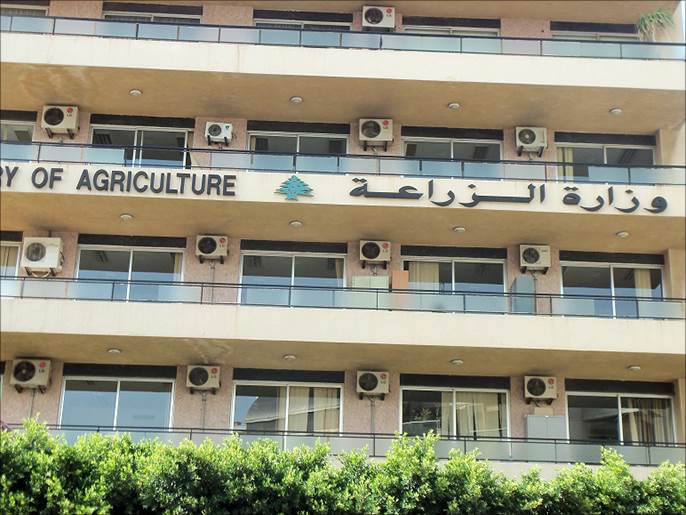
The Ministry of Agriculture, through the Directorate of Animal Resources, announced in an official statement that the “striped hyena” is among the wild animals protected in Lebanese territories.
In light of the images and reports circulating on social media about the sighting of “striped hyenas” in populated areas of Lebanon recently, especially with the waves of severe cold and the significant drop in temperatures, the Ministry of Agriculture – Directorate of Animal Resources / CITES Office would like to provide the following clarifications:
The “striped hyena” (Hyaena hyaena) is a species of wild mammal native to Lebanese ecosystems for thousands of years and plays a vital role in maintaining the ecological balance, as it is a living organism that performs the role of environmental sanitation and disposal of carrion and animal waste mainly.
Contrary to popular belief, the ministry clarified that the “striped hyena” is not a predator and does not show aggressive behavior towards humans under natural conditions, and therefore does not pose any direct threat to public safety. Its appearance near residential areas in some cases is due to a lack of food resources or changes in its natural environment during periods of harsh weather.
The ministry stressed that the “striped hyena” enjoys full legal protection in Lebanon, as it is classified as a protected wildlife species under the laws in force. In addition, and on the initiative of an official Lebanese initiative at the end of 2025, it was included in the annexes of the CITES agreement, which regulates international trade in endangered species, providing it with additional international protection that reflects Lebanon’s commitment to preserving wildlife and biodiversity.
The ministry stressed that killing, injuring, chasing, or keeping the hyena is a crime punishable by law, confirming its right to prosecute any violator and take appropriate legal measures.
The ministry reminded that it is the only official body authorized to deal with such cases, and called on citizens to refrain from any individual intervention or attempt to expel or expose any wild animal, with the need to inform the Ministry of Agriculture – Directorate of Animal Resources / CITES Office or the competent agricultural interest immediately upon observing any similar appearance, to ensure that these reports are dealt with in accordance with scientific, environmental and legal standards, in a way that ensures the protection of citizens and the preservation of wildlife species.
The ministry concluded by stressing the importance of promoting environmental awareness and social responsibility in dealing with wildlife, within the framework of national efforts aimed at protecting Lebanon’s natural heritage and preserving its ecological balance.