In the midst of the snowstorm, and in light of the accumulated burdens on the Lebanese from crises, “days of anger,” and warning strikes that threaten to worsen the situation, the official headquarters witnessed a movement that did not reach the level of response required to face these challenges. This was embodied in a series of meetings and political movements that seemed like an attempt to regain control of a state, institutions, and administrations slipping out of hand.
The Maronite archbishops, in their statement following their monthly meeting, touched on the worsening reality, warning against surrendering to collapse, and accusing officials of wasting time instead of facing the entitlements, while the Council of Ministers was busy searching for sources of income to meet the legitimate demands of employees and professors.
At the same time, the internal arena is preparing for diplomatic activity, represented by the visit of Prince Yezid bin Farhan to Beirut, hours after the arrival of French presidential envoy Jean-Yves Le Drian, carrying with him the program of the special conference sponsored by his country to support the Lebanese army during next February, in a positive atmosphere reflecting the Elysee’s satisfaction with the first phase of the army’s plan to confine weapons, which was recently completed in the southern Litani River region.
In a context separate from any internal timeline, the state of tension in the region and on the international scene cannot be ignored, as the world awaits what French President Donald Trump will decide regarding any American intervention in Iran, to support the popular protests against the backdrop of the economic crisis.
This image has cast its shadow on the local scene, awaiting the determination of the date of the “Mechanism” committee meeting, while the American, French and Egyptian diplomatic movement continues through the ambassadors in multiple directions, to follow up on the details of this security and political scene, and even the “electrical” one, by the American Ambassador Michel Issa, who inspected the Electricity of Lebanon Foundation, reflecting American interest in this chronic crisis that Lebanon has been suffering from for decades.
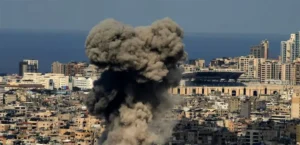
As for the field situation behind the political picture, it indicates the continuation of tension as a result of the Israeli violations that affected points close to sites belonging to the “International Emergency Forces,” in what appears to be an Israeli message to these forces and to the French envoy who will focus in his tour today on the southern situation, consolidating the ceasefire and the future role of “UNIFIL.”