For two decades, China considered Venezuela a long-term strategic investment; a promising oil nation facing difficulties but open to Chinese financing that quietly extended into South America. But with the United States’ arrest of President Nicolás Maduro, the future of repaying Chinese loans has become uncertain, perhaps lost.
An Old Partnership
The strong economic relations between China and Venezuela began at the start of the millennium and peaked during the era of the late President Hugo Chávez, who described Beijing as a “great wall” in the face of American influence, opening the door to extensive Chinese investments and loans.
Loans for Oil
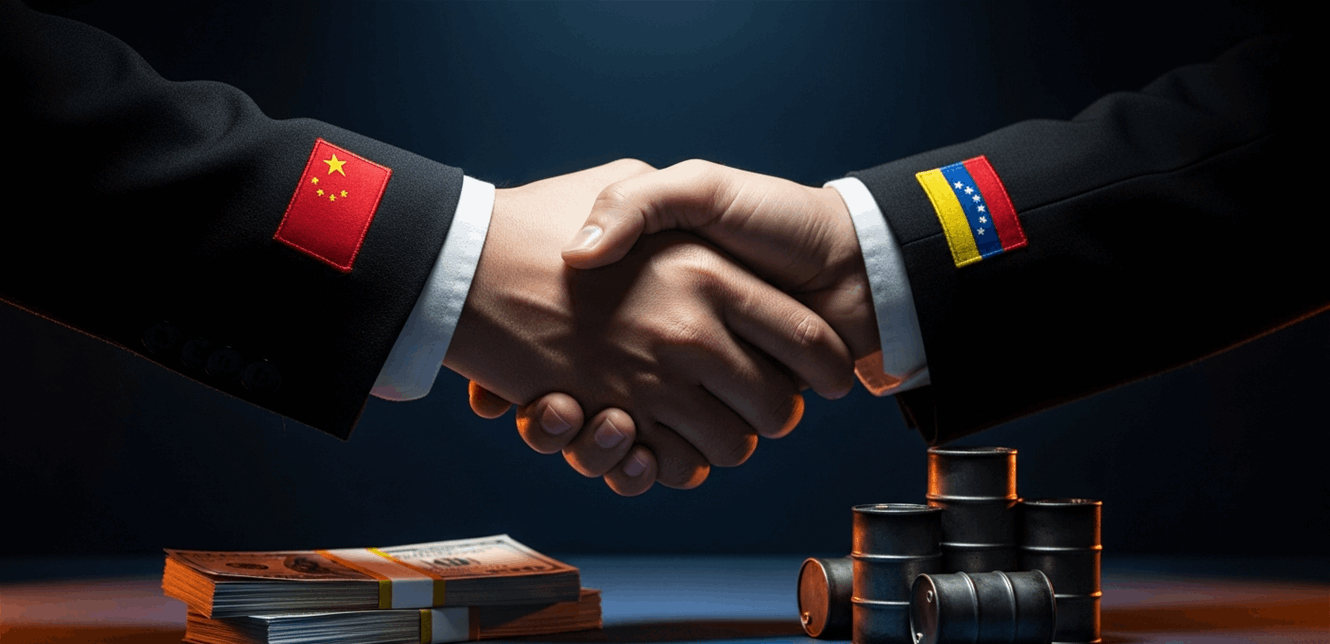
In its dealings with Caracas, Beijing relied on the “loans for oil” model, where it financed projects and infrastructure in exchange for repaying debts with long-term crude oil shipments, making Venezuelan oil as much a financial instrument as an energy resource.
Beginning in 2006
In 2006, Venezuela pledged to supply China with up to one million barrels per day, in exchange for Chinese loans worth $2 billion, which rose to $7 billion in 2007, then $27 billion in 2010, secured by future crude supplies.
Huge Loans
Estimates from the AidData Center at the College of William & Mary in Virginia indicate that China provided Venezuela with approximately $106 billion from 2000 to 2023, making Caracas the fourth-largest recipient of Chinese credit globally.
Financing Oil Projects
Chinese loans to Venezuela were allocated to finance oil infrastructure projects in the country and support the state-owned oil company PDVSA, as well as support the Venezuelan balance of payments in 2014 with nearly $10 billion. Despite the magnitude of the amount, Caracas has already repaid most of this debt through oil, and the exact figures for the remaining debts remain unclear, but the research center “Beyond the Horizon” indicates that Caracas still owes Beijing more than $12 billion as of last December.
Other sources estimate that Caracas still owes China between $10 and $20 billion, with the actual figure potentially higher due to US restrictions in recent years on Venezuelan oil exports.
The fate of the debts depends on the government that will take over the administration of Venezuela in the future, and one of the worrying scenarios is the new government resorting to the principle of “odious debt” to challenge the legitimacy of the loans concluded during Maduro’s era, a legal measure that may allow the suspension or cancellation of obligations towards Beijing.
In contrast, analysts believe that the United States may have to involve China in negotiations to restructure the debts, especially if Washington seeks to achieve a rapid stabilization of the Venezuelan oil sector and ensure the flow of revenues.
The American move in Venezuela was not just a security measure but carried a clear political and economic message that the Western Hemisphere remains an exclusive sphere of influence for Washington, and that Chinese expansion in the region, especially through debt, has become subject to review and direct pressure.
In conclusion, Chinese debts to Venezuela face a critical juncture between conditional restructuring, legal challenges, or political settlements. The broader picture indicates a gradual decline in Chinese influence in the Western Hemisphere, in exchange for a strong American return that reshapes the energy map in the region. (Argaam)