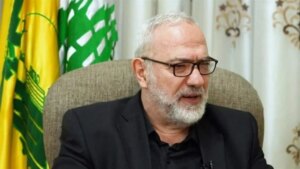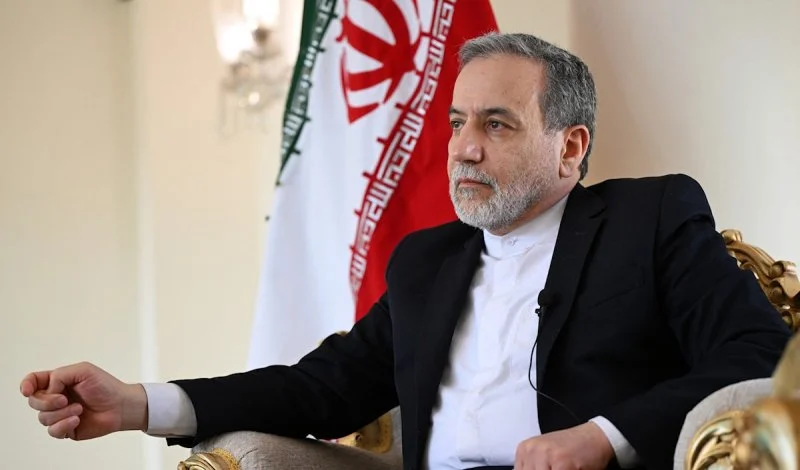
In an interview with Al-Manar channel, Iranian Deputy Foreign Minister Abbas Araqchi stated that the situation in Iran is “generally good,” while acknowledging challenges resulting from sanctions and weaknesses in the economy. He affirmed that expressing grievances is common in Iran, but noted the presence of elements engaging in riots, which necessitates addressing them.
Araqchi added that “officials of the Zionist regime claim that Mossad elements have a role in the demonstrations, and they themselves say so.”
In another context, he explained that after the 12-day war with Israel, “Iranian military capabilities were rebuilt to a very significant extent,” emphasizing that Iran is now in a stronger position than it was before the war. He stressed that missile capabilities were not significantly damaged, and that the defense and military situation in general is better than before.
He also indicated that “the continued readiness of our forces is the factor that prevents the Americans and Israelis from repeating the war again.”
He affirmed that Hezbollah “was able to fight for 66 days despite the strikes it received and forced the enemy to cease fire.”
Regarding the negotiation file, Araqchi said, “We are ready to move towards a fair and honorable agreement, but we are not convinced that America is ready for such a methodology,” stressing that Iran “does not negotiate on the issue of missiles or on regional affairs,” and that “the outcome of negotiations cannot be imposed before the negotiations.” He added that “Iranian nuclear capabilities still exist, and our nuclear program is peaceful and will remain so.”
Regarding Lebanon, Araqchi stressed that “Hezbollah’s issues must be resolved in Lebanon, and Lebanese groups must talk among themselves,” emphasizing that Iran “cannot make decisions on behalf of Hezbollah,” and that “there is no regional negotiation with anyone.”
In response to a question about the implications of the recent US military operation in Venezuela for Iran, Araqchi said: “They wanted to do in Iran what they did in Venezuela, and they thought they could force Iran to surrender, but they failed,” adding: “I think they tried in Iran and failed, then they went to Venezuela.”
Regarding neighboring countries, Araqchi explained that Iran adopts a policy of good neighborliness, and that the government attaches great importance to building trust and establishing good relations with neighboring countries, reminding that “there is currently no relationship with Syria and we are not in a hurry to establish it.”
He affirmed that “national unity in Lebanon is of great importance,” stressing the need to show Lebanon as a model for peaceful coexistence between sects, and demanding an end to the occupation there, considering that Lebanon “is heading towards greater political maturity, despite the continued problems.”
In response to a question about the positions of Lebanese Foreign Minister Youssef Rajji towards Iran, Araqchi said: “I consider Rajji a good colleague, and there must be respectful diplomacy between us, even with many differences, and this is the essence of diplomatic work.”
At the end of the interview, Araqchi announced that the Lebanese government had informed Tehran of its approval of the credentials and appointment of Mohammad Reza Sheibani as Iran’s ambassador to Lebanon, revealing an agreement to form a joint economic committee between Lebanon and Iran and to study ways to expand economic cooperation between the two countries.