في تطور مفاجئ أثار صدى واسعًا على المستويين الإقليمي والدولي، ظهرت تفاصيل جديدة حول الساعات التي تلت مباشرة اعتقال الرئيس الفنزويلي “نيكولاس مادورو” وزوجته “سيليا فلوريس” قبل نقلهما إلى الولايات المتحدة. هذه العملية أعلنتها واشنطن واصفة إياها بأنها تأتي في إطار “جلب المتهمين إلى العدالة”.
قبل نقله إلى نيويورك، تم اقتياد “مادورو” على متن السفينة الحربية الأمريكية “يو إس إس إيو جيما” إلى قاعدة غوانتانامو البحرية الأمريكية في كوبا، وفقًا لتصريحات مسؤولين أمريكيين لصحيفة “وول ستريت جورنال”. وأشار أحدهم إلى أن الرئيس الفنزويلي ظل صامتًا طوال فترة الاحتجاز، وكان مقيدًا بالأصفاد ويرتدي نظارات سوداء. وأضاف أنه طلب استخدام المرحاض مرتين، وقدم له الحراس شطائر ووجبات خفيفة خلال الرحلة.
وذكر المصدر نفسه أن أطباء عسكريين تولوا مراقبة مؤشراته الحيوية باستمرار، وكانوا على استعداد لأي طارئ صحي. وتعتبر سفينة “إيو جيما”، وهي سفينة هجومية برمائية، مجهزة بسجن متكامل يعمل بكامل طاقمه، ويخدم عليها بحارة ومشاة بحرية مدربون خصيصًا على حراسة “أهداف عالية القيمة”.
وبحسب بيانات تتبع الرحلات الجوية، أقلعت لاحقًا طائرة تابعة لوزارة العدل الأمريكية، معروفة باستخدامها في نقل معتقلين ذوي أهمية عالية، من قاعدة غوانتانامو متجهة إلى مطار ستيوارت الدولي في ولاية نيويورك بعد ظهر يوم السبت. ومن المتوقع أن يمثل “مادورو” وزوجته أمام المحكمة الفيدرالية في المنطقة الجنوبية لولاية نيويورك، حيث يُرجح أن تبدأ الإجراءات القضائية بسرعة.
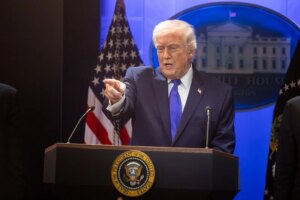
وفي هذا الصدد، صرح مسؤول أمريكي بأن الرئيس “دونالد ترامب” “يريد جلسة التوقيف والمثول أمام القضاء في أسرع وقت ممكن”، في إشارة إلى رغبة الإدارة الأمريكية في تحويل العملية العسكرية-الأمنية إلى مسار قضائي علني في وقت قياسي. وعلق مصدر مطلع قائلًا: “من ديكتاتور إلى متّهم خلال أقل من 24 ساعة”.
تأتي هذه التطورات وسط ردود فعل دولية واسعة النطاق على اعتقال رئيس دولة لا يزال في السلطة في بلاده. واعتبرت دول كبرى، بما في ذلك الصين وروسيا وعدد من العواصم الأوروبية وأمريكا اللاتينية، أن هذا العمل يشكل انتهاكًا صارخًا لسيادة دولة عضو في الأمم المتحدة ويمثل سابقة خطيرة في العلاقات الدولية. وفي المقابل، رأت واشنطن أن العملية تأتي في إطار جهودها لمحاسبة “مادورو” على خلفية اتهامات تتعلق بالمخدرات والفساد والجريمة المنظمة.
وعلى المستوى الإقليمي، سادت مخاوف من انعكاسات أمنية وسياسية على استقرار أمريكا اللاتينية، في حين دعت دول مثل البرازيل والمكسيك وكولومبيا إلى التهدئة وتفضيل الحلول الدبلوماسية. كما أعربت الأمم المتحدة عن قلق بالغ إزاء تداعيات العملية على النظام الدولي وقواعد القانون الدولي.
في المقابل، ظهر دعم محدود للعملية، تمثل في مواقف إسرائيلية مرحبة، اعتبرت أن اعتقال “مادورو” قد يفتح الباب أمام “عودة الديمقراطية” إلى فنزويلا، بينما بدت واشنطن مصممة على المضي قدمًا في مسارها القضائي.
وبينما تتجه الأنظار إلى نيويورك والتحضيرات للمثول الأول أمام القضاء، يظل المشهد مفتوحًا على احتمالات سياسية وقانونية معقدة، في ظل تساؤلات حول تداعيات هذه الخطوة على مستقبل فنزويلا الداخلي، وعلى آليات إدارة النزاعات الدولية، بعد أن تحول رئيس دولة، في غضون ساعات، من رمز للسلطة إلى متهم أمام القضاء الأمريكي.
Translation:
In a surprise development that resonated widely at the regional and international levels, new details have emerged about the hours immediately following the arrest of Venezuelan President Nicolas Maduro and his wife, Cilia Flores, before their transfer to the United States. Washington announced this operation, describing it as part of “bringing the accused to justice.”
Before being transferred to New York, Maduro was taken aboard the US warship USS Iwo Jima to the US Naval Base Guantanamo Bay in Cuba, according to statements by US officials to the Wall Street Journal. One of them pointed out that the Venezuelan president remained silent throughout the detention period, was handcuffed and wearing black glasses. He added that he asked to use the toilet twice, and the guards provided him with sandwiches and snacks during the trip.
The same source mentioned that military doctors were constantly monitoring his vital signs and were prepared for any health emergency. The Iwo Jima, an amphibious assault ship, is equipped with a fully integrated prison, staffed by sailors and marines specifically trained to guard “high-value targets.”
According to flight tracking data, a US Department of Justice plane, known to be used to transport high-value detainees, later took off from Guantanamo Bay en route to Stewart International Airport in New York State on Saturday afternoon. Maduro and his wife are expected to appear before the Federal Court in the Southern District of New York, where judicial proceedings are likely to begin quickly.
In this regard, a US official stated that President Donald Trump “wants the arrest and court appearance as soon as possible,” referring to the US administration’s desire to turn the military-security operation into a public judicial track in record time. An informed source commented: “From dictator to accused in less than 24 hours.”
These developments come amid widespread international reactions to the arrest of a head of state who is still in power in his country. Major countries, including China, Russia, and a number of European and Latin American capitals, considered this act a blatant violation of the sovereignty of a member state of the United Nations and a dangerous precedent in international relations. In contrast, Washington considered the operation to be part of its efforts to hold Maduro accountable on charges related to drugs, corruption and organized crime.
At the regional level, there were concerns about security and political repercussions on the stability of Latin America, while countries such as Brazil, Mexico, and Colombia called for calm and favored diplomatic solutions. The United Nations also expressed grave concern about the repercussions of the operation on the international order and the rules of international law.
In contrast, limited support for the operation emerged, represented in welcoming Israeli positions, which considered that Maduro’s arrest could open the door to a “return of democracy” to Venezuela, while Washington seemed determined to proceed with its judicial path.
As eyes turn to New York and preparations for the first appearance before the judiciary, the scene remains open to complex political and legal possibilities, amid questions about the repercussions of this step on the future of Venezuela internally, and on the mechanisms of managing international conflicts, after a head of state, within hours, turned from a symbol of power to an accused before the American judiciary.