In a surprise development, US President “Donald Trump” announced today, Saturday, January 3, 2026, that US forces carried out operations inside Venezuelan territory, resulting in the arrest of Venezuelan President “Nicolas Maduro” and his wife and their transfer outside the country, according to international news agencies.
But the field situation is still unclear: officials in “Caracas” have stated that there was an “attack” and demanded evidence proving the fate of “Maduro”, while the most important question remains, “Who is actually running the country now?” a crucial factor in assessing the immediate economic repercussions.
First: The direct impact on the Venezuelan economy
The “leadership vacuum” will immediately increase the risk premium, as any economy already suffering from underfunding and weak investor confidence, such as the Venezuelan economy, will be quickly affected in the event of a forced or ambiguous political transition.
The expected results in the first few days include a rush to the dollar and an increase in the risk premium on transactions, in addition to a partial disruption of commercial activity in the capital and areas of tension, along with logistical difficulties and possible power/communication outages (according to reports of explosions and damage).
The direct effects also include freezing companies’ decisions related to import, pricing, and employment, until the executive authority and security rules become clear.
Banks and foreign trade.. more restrictions
With increasing political and military risks, banks and remittance companies tend to tighten compliance procedures for fear of sanctions or disruption by local authorities.
Suppliers may raise insurance prices or require payment in advance, which means higher costs for imports and basic goods.
The most dangerous scenario.. Long-term security and administrative disruption
If the shock turns into a conflict over legitimacy or a division in state institutions, a deeper impact may emerge, and tax collection and revenues may decline.
If the crisis persists for a long time, the supply of goods may decrease, inflation rates may rise, and the emigration of capital and skilled labor may accelerate.
Second: The Venezuelan oil sector
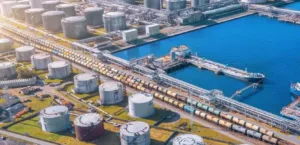
“Reuters” quoted informed sources as saying that the national oil company “PDVSA” was not affected, according to initial assessments, in production or refining as a result of today’s attacks, which means that the immediate impact may be political and logistical rather than technical.
The real danger to shipping and insurance
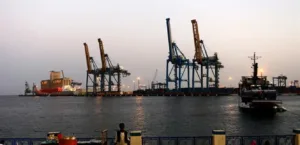
Even if the fields and refineries remain operational, exports could be affected by the increased cost of insuring ships heading to Venezuelan ports.
Shipping companies may hesitate to load crude oil, and complications may arise in payment and collection due to sanctions or escalation.
Here, an important factor emerges that preceded these developments: the United States has intensified its pressure on Venezuelan exports through a blockade and a ban on sanctioned tankers in recent weeks, which was already adding a “risk premium” to Venezuelan oil.
Third: How will global oil prices be affected?
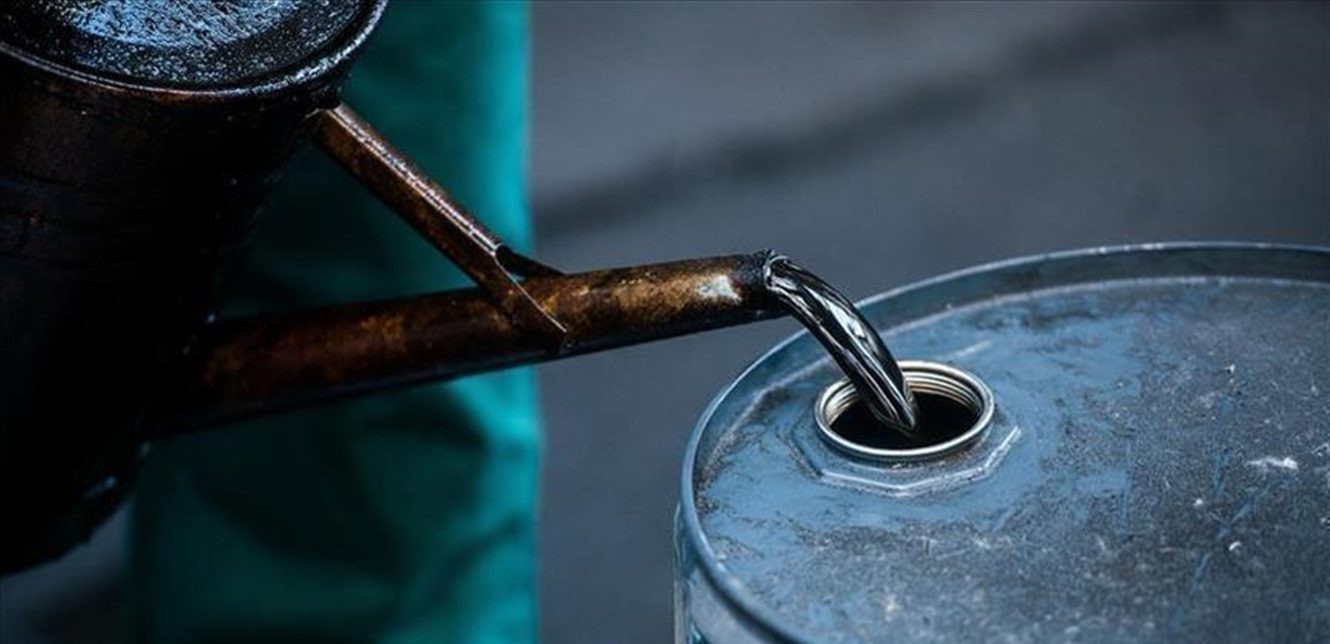
The basic rule says that any shock in an oil-producing country will lead to a jump in risk.
Markets usually immediately price in the possibility of supply disruption, tighter sanctions, and disruption to navigation and insurance.
The year 2026 has already begun in a climate of “geopolitical risks” that slightly raised prices in the first sessions of the year.
Why might the impact be “limited” this time?
According to expert assessments reported by “The National”, the impact of the attack on oil prices may be relatively limited if the oil infrastructure is not damaged and exports continue to move while a surplus remains and expectations of global abundance put pressure on prices.
While the arrest of “Maduro” represents a political-security shock to Venezuela before it is a technical shock to the oil sector, the continued flow of oil depends less on the “integrity of the refineries” and more on the state’s ability to manage ports, shipping, insurance, and collection amid broad international escalation and mixed reactions. (Al Arabiya)