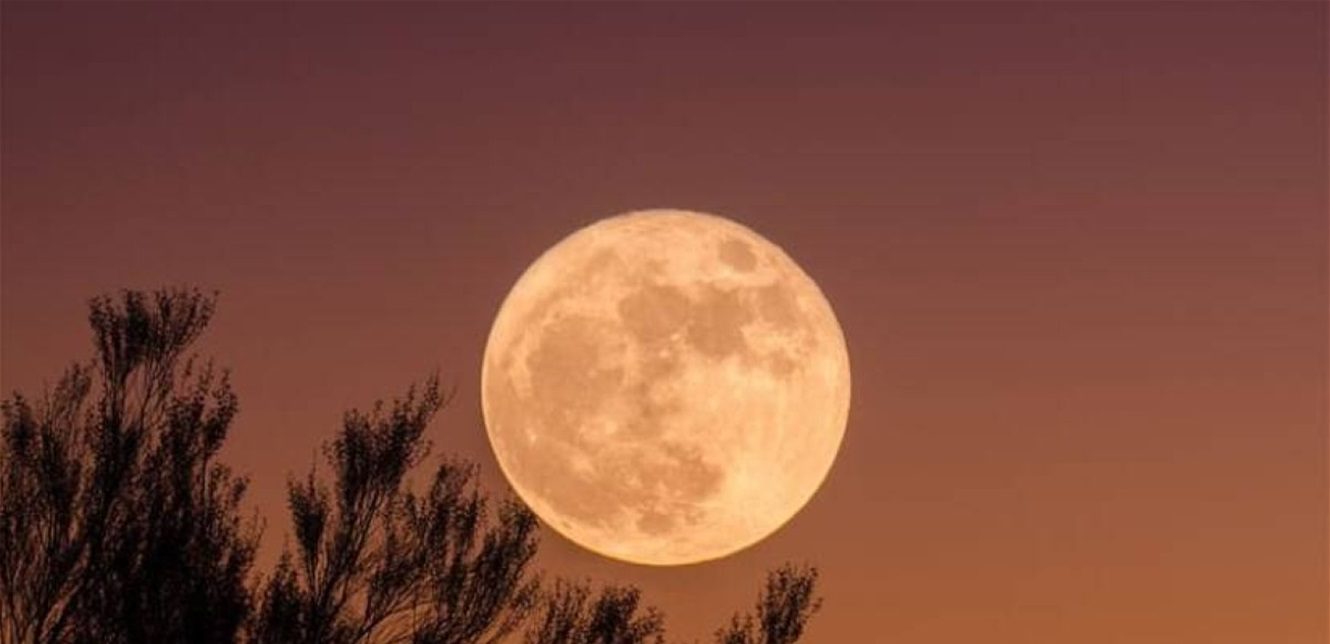
The Moscow Astronomical Observatory’s media office announced that the variation in the Sun’s size between January and July will be easiest to observe when comparing professional photographs taken of the Sun in these two months.
The observatory explained that the Earth will approach the Sun to its closest point, known as perihelion, at 8:15 PM Moscow time on Saturday, January 3, 2026. At that time, the Earth will be approximately 147,099,586 kilometers (or 0.9833 astronomical units) away from the Sun.
According to the observatory, the apparent diameter of the Sun on that day will be the largest during the year, reaching 32 arcminutes and 35 seconds. This will make the difference in the Sun’s size between January and July more obvious when comparing professional images side by side.
Astronomers warned against the danger of looking directly at the Sun or photographing it without using special filters to protect the eyes from burns.
The source also pointed out that January is not optimal for observation, but it allows following new formations on the surface of the Sun using a telescope or binoculars, while emphasizing the need to use a “solar filter during visual observation.” (“Russia Today”)