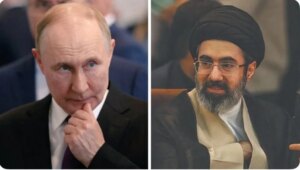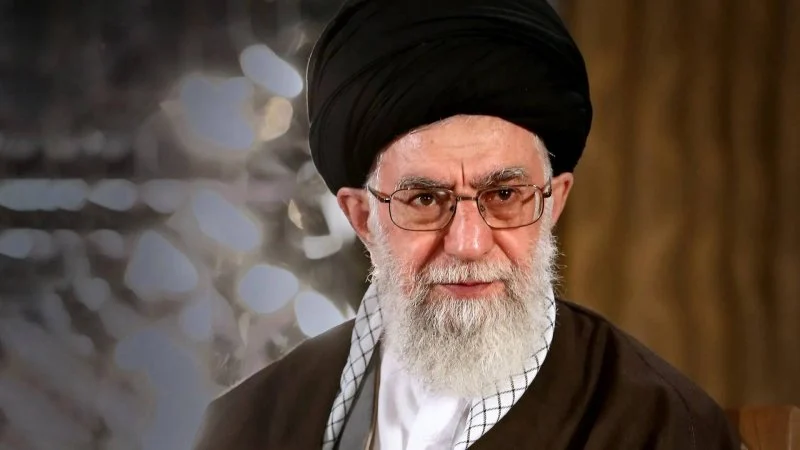
Iranian Supreme Leader Ali Khamenei is facing a period considered among the most difficult in his reign, due to the exacerbation of internal problems and the increasing waves of scattered protests, while the available political solutions appear limited, according to a report published by the American network “CNN.”
The network reported that signs of popular discontent have become more evident in recent weeks, noting that the tourist island of Kish witnessed at the beginning of December a marathon in which hundreds of women participated without adhering to the imposed dress code, as they ignored the scarves placed by the organizing body in the race bags, reflecting an escalation in quiet civil disobedience.
In October, a striking scene appeared in Tehran, where a musical band played a famous musical piece in one of the capital’s streets in front of an interactive audience. This event spread widely through social media and was considered further evidence of challenging official cultural restrictions.
The report pointed out that the protests extended this week to a number of Iranian cities, where merchants and shop owners in the markets organized demonstrations to protest the deterioration of the value of the local currency and their inability to pay rents, after the Iranian rial recorded record levels of decline. These movements are considered the largest since the 2022 protests, which erupted after the death of young Mahsa Amini while in police custody.
The network explained that these movements, despite their limited scope so far, express a state of increasing discontent, as Iranian citizens seek to reclaim public spaces and personal freedoms through individual, unorganized acts, while the religious regime seems to focus on preserving its survival more than addressing the main causes of popular anger.
The report explains that Khamenei stands at the head of a difficult internal situation, in light of the existence of a younger generation that is more daring in challenging religious rules, a deteriorating economy, and successive crises including water shortages, power outages, and high rates of inflation and unemployment, in addition to increasing external pressures led by Israel in an attempt to push the United States towards taking new military steps against Iran.
The network quoted analysts as saying that the Iranian Supreme Leader is avoiding making major decisions at the present time, and prefers a policy of cautious waiting, because he realizes that any decision may lead to a significant political or security cost.
In the same context, the editor-in-chief of Amwaj website, Mohammad Ali Shabani, stated that the situation inside Iran indicates the absence of a decisive center for making decisions, considering that Khamenei does not allow fateful decisions to be made at this time because all available options have negative consequences.
The report also mentioned that living crises have worsened in recent months, with power outages and rising prices, and the government’s resort to using low-quality fuel, which has contributed to increased air pollution, while 20 Iranian provinces are suffering from the worst drought in more than 40 years.
The network added that external pressures have not receded, as the effectiveness of Iran’s regional allies network has declined and it has been subjected to repeated strikes, in addition to losing strategic influence in Syria after the fall of the former President Bashar al-Assad’s regime last year.
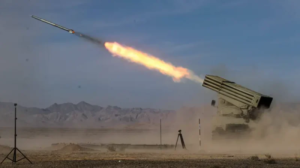
The report concluded that Khamenei, in the face of this amount of crises, adheres to his traditional approach based on developing missiles and drones and rejecting Western conditions for negotiation, while the inside and outside await the post-Supreme Leader stage, which may be a decisive turning point in the future of Iran, according to analysts’ estimates.