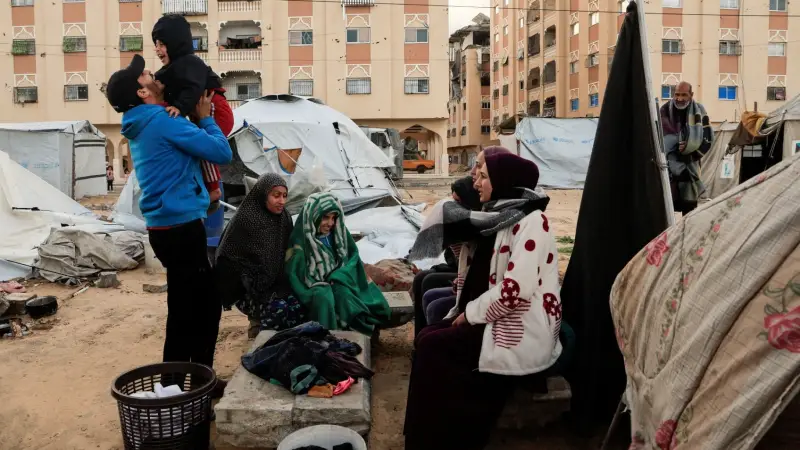
Often, the focus is on the “health” of refugees in the context of crises, such as disease outbreaks, malnutrition, and psychological distress. However, some of the serious effects of displacement may not be easily visible, namely how forced migration affects the bacteria in the gut, which play an important role in supporting immunity and long-term health.
Living conditions during displacement increase the risk of intestinal infection and the spread of antibiotic-resistant bacteria. Refugee camps and temporary shelters are often overcrowded and lack basic sanitation facilities, making it easier for infectious diseases to spread.
## Why is the gut microbiome important?
The human digestive system contains trillions of bacteria, viruses, and fungi, collectively known as the gut microbiome. These microorganisms help digest food, support the immune system, and protect against disease.
A healthy gut microbiome is usually characterized by diversity and balance, with an abundance of beneficial bacteria that help protect against infection and inflammation.
Studies show that the gut microbiome of refugees often differs from that of people who have not experienced displacement.
Researchers, as reported on the “Medical Xpress” website, explain distinct patterns of the gut microbiome, usually including fewer types of microbes and changes in the types of bacteria that are most common.
These differences are not genetic, but rather reflect the harsh conditions that many refugees face before, during, and after displacement.
## Health problems facing displaced people
Accordingly, the most prominent health problems that affect displaced people and negatively affect gut health are the following:
### 1- Antibiotic resistance
“A common finding is high levels of harmful bacteria and antibiotic-resistant organisms in the gut microbiome of refugees.”
“Antibiotic-resistant bacteria can survive after taking drugs designed to kill them, making infections harder to treat and easier to spread.”
### 2- Gut problems
Poor sanitation and environmental pollution play a major role in these problems.
Many refugees come from or pass through areas affected by conflict or disasters, where access to clean water and toilets is limited.
Drinking unsafe water or eating contaminated food increases the likelihood of pathogenic bacteria settling and multiplying in the gut, a process known as colonization.
Common examples include “E. coli, Salmonella, and Shigella.” These bacteria can cause diarrhea, vomiting, and fever, and in severe cases can lead to dehydration, blood poisoning, impaired growth in children, or long-term digestive problems.
Repeated gastrointestinal infections, especially in crowded places with poor sanitation, lead to an imbalance in the natural gut microbiota. Over time, harmful types of bacteria may multiply, while the overall diversity of microbes shrinks.
A low number of different types of gut bacteria is a common indicator of poor gut health.
### 3- Mental health problems
Chronic stress exacerbates these problems. Refugees are often exposed to prolonged stress related to war, violence, forced displacement, separation from family, and persistent uncertainty.
Rates of mental “health” problems are high, and stress affects physical health through the gut-brain axis, a communication system between the brain and the digestive system.
Chronic stress alters immune responses, hormone levels, and the lining of the intestines.
These changes increase inflammation and facilitate the growth of harmful microbes, while reducing beneficial bacteria such as “Lactobacillus and Bifidobacterium.”
## Appropriate treatments
Antibiotic use is another major factor contributing to poor gut health and the emergence of antibiotic resistance. In resource-limited or conflict areas, antibiotics are often used extensively due to the prevalence of infection and limited access to testing.
Refugees may receive multiple doses of antibiotics without a clear diagnosis or medical follow-up.
Although these drugs can save lives, their frequent or unnecessary use allows resistant bacteria to survive and spread.
Antibiotics also destroy the beneficial microbes that maintain gut health.
Repeated doses reduce the number and diversity of beneficial bacteria, weakening the gut’s ability to protect itself.
As a result, antibiotic-resistant strains such as “E. coli” that can neutralize antibiotics in the gut can settle in the gut, making infections more difficult to treat.
“The biggest problem is that refugees remain carriers of antibiotic-resistant bacteria that they acquired previously. Barriers to accessing health care can slow down the recovery process.”