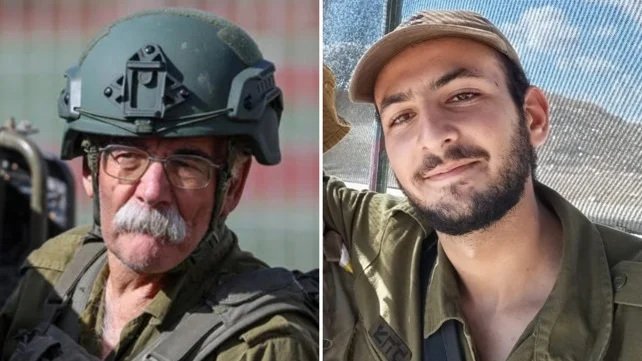
The Chief of Staff of the Israeli army, Lieutenant General Aviv Kochavi, has issued a decision to dismiss the Chief of Staff of the Golani Brigade, Colonel Yoav Yarom, following the unfortunate incident that occurred in southern Lebanon, which led to the death of the soldier “Gur Kehati” and the reserve officer “Ze’ev Hanuch Erlich”. This decision was made after a comprehensive review of the results of an operational investigation conducted by the army, which was recently revealed by the Israeli Broadcasting Corporation.
According to an official statement issued by the Israeli army spokesman, the incident was described as a “serious incident and a serious operational failure that ended in tragic results.” The investigation revealed a “serious defect” in Colonel Yarom’s conduct, both during the planning stage of the operation and during its implementation, in addition to allowing a civilian to enter a combat zone without obtaining the necessary permits and without providing adequate operational preparation.
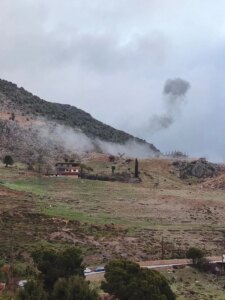
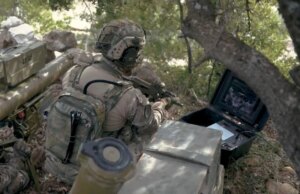
The investigation showed that the military force of the Golani Brigade was sent in November 2024 to an ancient archaeological site in southern Lebanon, where Hezbollah elements were entrenched, which led to an armed clash that resulted in the death of the soldier “Gur Kehati” and the reserve officer “Ze’ev Erlich”, a former officer and researcher in archeology who was interested in the area.
Following this incident, the Chief of Staff ordered a comprehensive investigation to assess whether there was a real military necessity to carry out the mission at that location, or whether the real purpose of sending the force was to secure the presence of “Erlich” in the place.
The military prosecution announced about two weeks ago the closure of the criminal file related to Colonel Yarom, and decided not to take any criminal action against him, but recommended taking leadership measures against him, which was later embodied in the dismissal decision.
This development comes amid increasing sensitivity on the Lebanese front, and with the escalating debate within Israel about the management of military operations, the level of readiness, and leadership responsibilities in the field, especially in operations that involve high risks within open conflict zones.