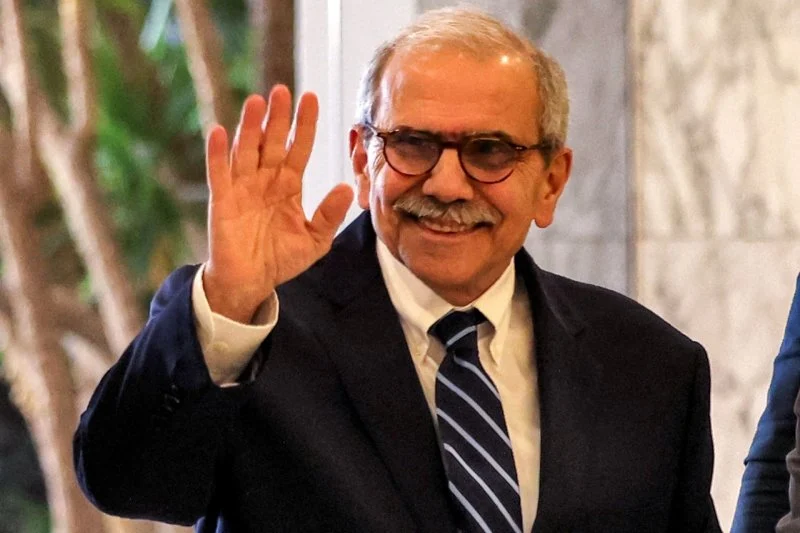
The Prime Minister, Najib Mikati, announced in a speech this evening that the draft law on “Financial Regularity and Deposit Recovery,” which was approved by the Lebanese Council of Ministers, will be sent today to the Parliament after signing the decree on it.
Mikati added that in parallel, he requested that a copy of the project be published directly on the website of the Presidency of the Council of Ministers and its account on the “X” platform, to enable all Lebanese citizens to view it directly and transparently without an intermediary, considering that this step will contribute to removing much of the misunderstanding and confusion, and reducing the rush to launch preconceived judgments that have been promoted during the past weeks.
He pointed out that an in-depth look at the content of the project, what it includes and what it does not include, responds to legitimate demands of citizens who have accumulated concerns and anxieties about the loss of their rights during the past six years, stressing that the Council of Ministers has placed the equity of depositors at the top of its priorities, along with the need for the Lebanese economy to return to financial regularity and for strong banks, considering this a prerequisite for any recovery.
Mikati explained that the project comes after years of delay, obstacles and chaos, and aims to get Lebanon out of the current situation that exposes it to increasing risks, stressing that restoring deposits in stages is better than continuing to postpone deciding on their fate, because of the negative effects that lead to their erosion and deprive the country of opportunities to recover and benefit from Arab and international support.
He stressed that the project guarantees the full payment of depositors’ funds, and imposes penalties on those who transferred their funds abroad before the financial and banking collapse and for six months after it, as well as on those who benefited from financial engineering and excessive profits and bonuses, in addition to his call to continue criminal and accounting audits.
He pointed out that the project attaches great importance, from the standpoint of equity and social justice, to restoring the deposits of those who do not exceed one hundred thousand dollars in full at face value within a maximum period of four years, and these represent about 85 percent of depositors. The remaining depositors also receive one hundred thousand dollars during the same period, provided that the remaining amount of their deposits is paid through bonds backed by the assets of the Banque du Liban, due after years, with their holders receiving 2 percent annually of their total value, in addition to the possibility of trading them, especially on the Beirut Stock Exchange.
Mikati concluded his speech by stressing that the law is not ideal, but it is the best that can be achieved in order to restore rights and stop the collapse, reiterating that the government does not sell illusions to the Lebanese people and does not hide the facts, and that it chose the name “Government of Reform and Rescue” in commitment to honesty and transparency. He called on parliamentarians and representatives of economic bodies and civil society to join forces and put the public interest above any other consideration, stressing his openness to any constructive proposals to improve the project, while rejecting criticisms that do not offer alternative solutions and contribute to prolonging the crisis, squandering depositors’ funds, paralyzing banks and undermining the economy.