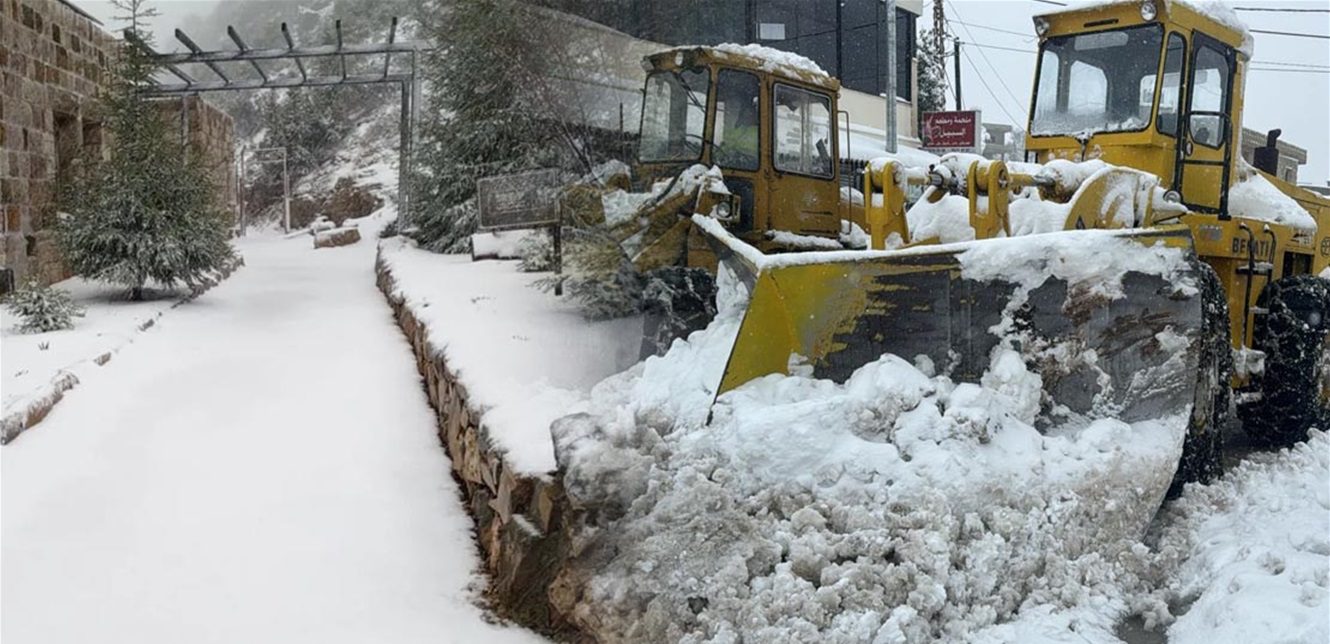
With every snowstorm that hits Lebanon, snow returns to cover the mountain peaks and highlands, giving the country a magical winter view, but this beauty hides a complex reality. Snow, which is a joy for some, becomes a heavy burden on others, especially with the difficult economic conditions and the absence of infrastructure capable of dealing with the force of the storms. In the midst of this reality, farmers face a delicate situation between loss and profit, waiting for the results that this whiteness will bring.
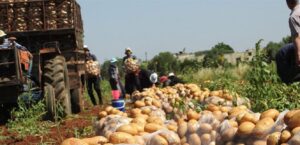
Tawfiq Ismail, a farmer in the Bekaa Valley, says: “Snow has two contradictory faces. On the one hand, frost directly damages some sensitive crops, especially winter vegetables and small unprotected trees, which leads to material losses that the farmer may not be able to compensate for.” He adds: “The accumulation of snow may also hinder access to agricultural lands, delay irrigation or harvesting operations, as well as its negative impact on plastic houses that may be damaged by the weight of snow or strong winds.”
On the other hand, Ismail confirms: “Snow has undeniable benefits in the medium and long term. Snow contributes to feeding the soil with water gradually, and increases the stock of groundwater on which the agricultural sector depends during dry seasons. Frost also helps eliminate a number of agricultural pests and insects, reducing the need to use chemical pesticides in subsequent seasons.”
He points out: “Snow plays an important role in improving the structure of the soil, as it gives it a natural rest period after a long agricultural season, and restores its thermal and moisture balance. Therefore, many farmers see snowstorms as an essential factor for the sustainability of agriculture, provided that they are within normal and non-destructive rates.”
In conclusion, snow in Lebanon remains a phenomenon with conflicting aspects. It is a curse when it reveals the weakness of living conditions and the lack of official preparedness, and a blessing when viewed from the perspective of the land and the coming seasons. Between immediate loss and future benefit, there is a dire need for supportive agricultural policies and preventive plans that protect farmers and turn snow from a potential danger into a sustainable natural resource.