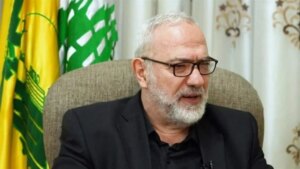
Member of the “Development and Liberation” bloc, MP Muhammad Khawaja, affirmed in a statement to, that “Lebanon needs a financial gap law, and it is necessary to put this file, which has been delayed for years, clearly on the table, as it contributes to creating a framework for starting to address the crisis.” However, he pointed out that “the version presented by the government has a sense of urgency, and some of its provisions are based on inaccurate figures and data, and it needed more study and scrutiny, as the law is based on expectations, and this is unacceptable.”
Khawaja continued, explaining that “there is insistence from the government on its approval, so the move was made to vote, and President Nawaf Salam seemed hasty, as if he was passing the ball of fire from the Council of Ministers to the Parliament, so when it is referred to the Parliament, the approach must be different, and the figures must be scrutinized before any step, the law is linked to four main parties: the Lebanese state, the Banque du Liban, the banks, and the depositors.”
He added, “We in the Development and Liberation bloc focus on the fourth team, namely the depositors, and to achieve a correct approach, we must know the real capabilities of the banks, what they possess in terms of liquidity, real estate, and assets inside and outside Lebanon, in addition to knowing what the central bank and the Lebanese state possess, and accurately determining responsibilities.”
He also added, “The important thing is that the depositor gets his right, whether small or large, these are deposits placed in the era of banks that disposed of them, and at the same time the state did not fulfill its duties and was spending much more than its revenues, as for the Banque du Liban, it did not play the required role, but its performance was negative, especially through what was called the “failed financial engineering” that wasted billions of dollars in order to save the banks, and the matter did not stop there, but the same approach continued later, including the support phase and the accompanying repatriation of funds and loans, what was worse than the crisis itself was the management of the crisis.”
In conclusion, Khawaja affirmed: “Our position on this law is clear and explicit, we oppose it in this form, and we categorically refuse to burden depositors with any part of the losses, and on this basis we determine our approach.”