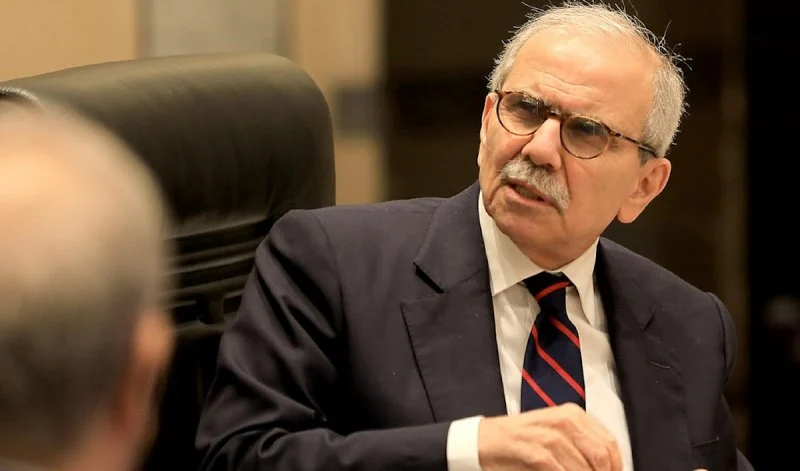
Prime Minister Nawaf Salam clarified that the Cabinet’s approval of the draft law on the financial gap represents “an entry point for rescue and reform,” stressing that it was approved “with full transparency in order to restore the rights of depositors who have waited for years.” In a statement to “Al-Anbaa,” he added: “The ball is in the Parliament’s court today, and we respect all opinions.”
Salam also pointed out that the government is “now focusing on holding the parliamentary elections on time,” indicating its full readiness for this event, and confirming that the Cabinet continues to perform its duties towards the nation and citizens, whether in the political and diplomatic fields or in livelihood, social, health, and educational matters, and everything that concerns people to secure a decent life for them.
These statements come in light of a highly complex political and financial situation, after the government’s approval of the draft law on the financial gap, which sparked widespread controversy inside and outside the Cabinet, with the objection of a number of ministers, political forces, and unions who considered that the proposed formula is still insufficient to guarantee the rights of depositors fairly. In contrast, the government believes that the project represents a necessary regulatory step to begin the financial recovery process, subject to in-depth discussion and possible amendments within the Parliament.
In parallel with the financial debate, the parliamentary elections file appears as a major political test, amid continuing questions about the possibility of holding them on schedule or resorting to a technical or political postponement.
Salam’s emphasis on government readiness comes to reaffirm the executive authority’s commitment to constitutional entitlements, in an attempt to reassure the interior and exterior that the path of reform and constitutional regularity are proceeding side by side, despite the current economic pressures and political conflicts.