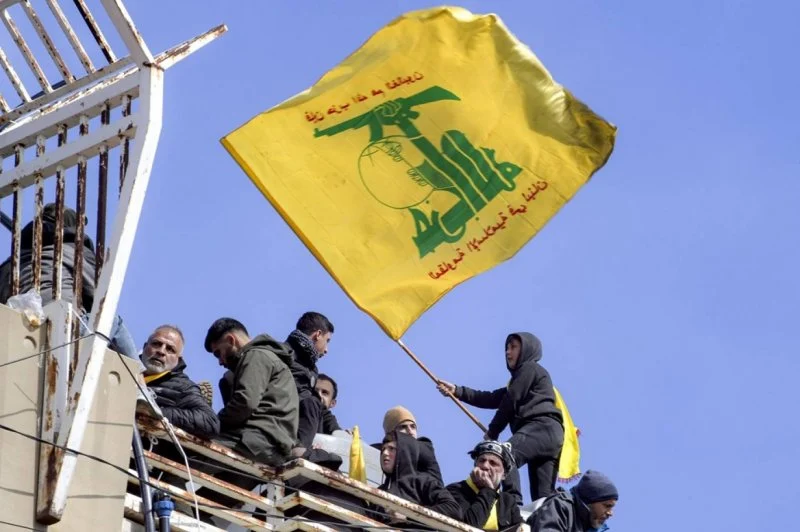
The Israeli newspaper “Walla” revealed that the investigations conducted by the Israeli army in the wake of the war, and the lessons learned in preparation for any future confrontation with Hezbollah, showed two main operational weaknesses.
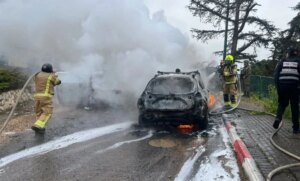
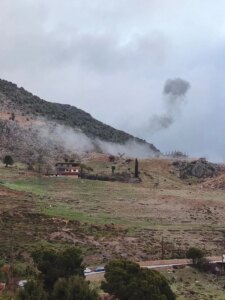
The newspaper indicated that the first weakness relates to Unit 127, which is responsible for Hezbollah’s drone system. It stated that the activity of this unit reached its peak during the attack on the Golan Heights, which resulted in the death of four soldiers and the injury of more than sixty others. It added that some of these drones were able to penetrate deep into Israel, as happened in the attack that targeted the home of Prime Minister Benjamin Netanyahu.
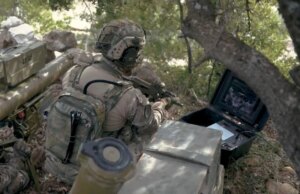
As for the second weakness, it lies in the capabilities of Hezbollah’s anti-tank teams. According to the newspaper, these capabilities posed a major challenge to the Israeli army, and forced it to make a radical change in the concept of intelligence and operational response during the war.
The newspaper stated that even after the ceasefire, Hezbollah launched more drones, prompting the Israeli army to respond by launching raids on Beirut for the purpose of deterrence.
In the context of investigations and specialized discussions, questions were raised as to whether these gaps are merely temporary failures or whether they reflect a fundamental defect in the determination of operational priorities within the Operations Division of the Intelligence Directorate. In addition, the possibility of underestimating Hezbollah’s arsenal and misusing intelligence resources in the face of its increasing threats was raised.
The newspaper quoted senior reserve officers in the Military Intelligence Directorate as saying that correcting the situation requires more than just new measures, but rather a radical change in the culture of intelligence work to deal with the threats of long-range drones and anti-tank weapons in any future confrontation.
For his part, an official military source explained that the issue is still under investigation, and that military intelligence, in cooperation with the Air Force and the Northern Command, is working to rebuild and formulate the intelligence knowledge infrastructure, with the aim of developing more effective warning models and developing a database of targets to reduce threats.
The source pointed out that the current warning models differ from the previous models, in light of the lessons learned from the October 7 investigations. He explained that the responsibility is distributed between military intelligence, the Northern Command, and the Air Force, and that the response requires continued development of detection and interception capabilities.
In an official response, the Israeli army spokesman said that the Intelligence Division adopts a deep professional mechanism to investigate its failures on October 7, and is currently undergoing a comprehensive change process that includes all formations, arenas, and areas of work, based on the consideration that what happened represents a widespread systemic failure.
The spokesman confirmed that the early warning model in the Lebanese arena is being modified and improved, and that confronting the threat of drones and anti-tank missiles is at the top of the priorities of the work plan and resource allocation, noting that the operational achievements that were achieved during the war would not have been possible without intelligence that he described as “high quality and accurate.”