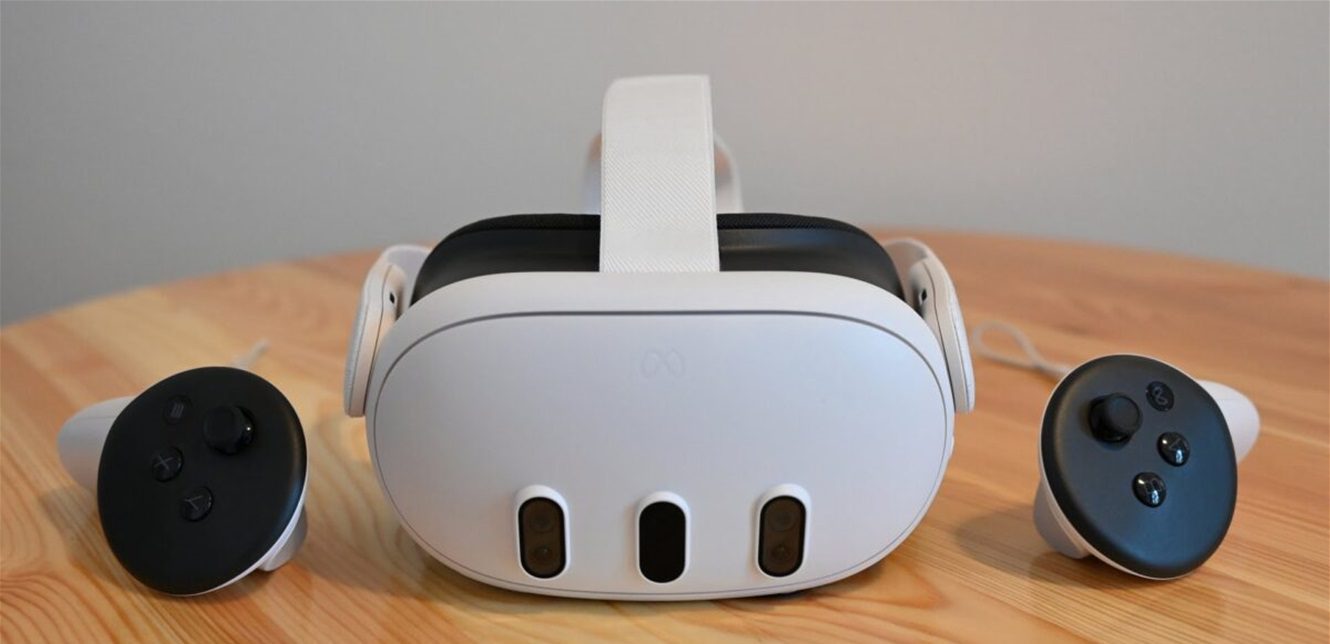
Recent tech reports indicate that Meta has decided to postpone the launch of its new mixed reality glasses, codenamed “Phoenix,” to 2027 instead of the previous date in 2026. This move reflects a comprehensive review of the company’s strategy in the field of mixed reality.
Quality First, Speed Later
According to informed sources, the postponement decision came with direct instructions from senior management, who emphasized giving the development teams additional time to fine-tune the details accurately. This approach aims to deliver a technically stable product free of issues that may affect the user experience at launch, rather than rushing it to market.
Officials from the mixed reality division confirmed that the postponement period will not be used to add new features, but to improve performance, raise manufacturing quality, and ensure better integration between the device’s software and hardware components.
Features of the New Device
Initial data show that the “Phoenix” glasses will adopt a design close to traditional and lightweight glasses, relying on a separate external unit that processes data and supplies power to the device. This approach allows for reducing weight on the head and enhancing comfort during extended use.
The glasses are estimated to weigh only about 100 grams, making them one of the lightest models of smart glasses available or expected. Forecasts also indicate that their technical specifications will be less than high-performance mixed reality devices like the “Apple Vision Pro,” in a move that reflects Meta’s desire to offer a device dedicated to practical daily use rather than focusing solely on maximum power.
Adjusting Expenses
This development intersects with reports that Meta is moving to significantly reduce budgets for metaverse projects over the next two years, as a result of the accumulated losses recorded by the Reality Labs division responsible for these technologies.
Analysts believe that the company is trying to find a balance between pursuing innovation on the one hand, and controlling expenses and achieving greater financial stability on the other.
For the end user, this postponement may be considered a positive step that allows for a more mature and stable product upon release. However, at the same time, it may open the door for competitors to accelerate the development of their devices and fill the void in the smart glasses market over the next two years.
In conclusion, Meta’s decision reflects a more cautious path in the mixed reality race, where quality and financial sustainability are taking precedence over the speed factor in launching products.