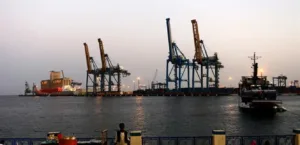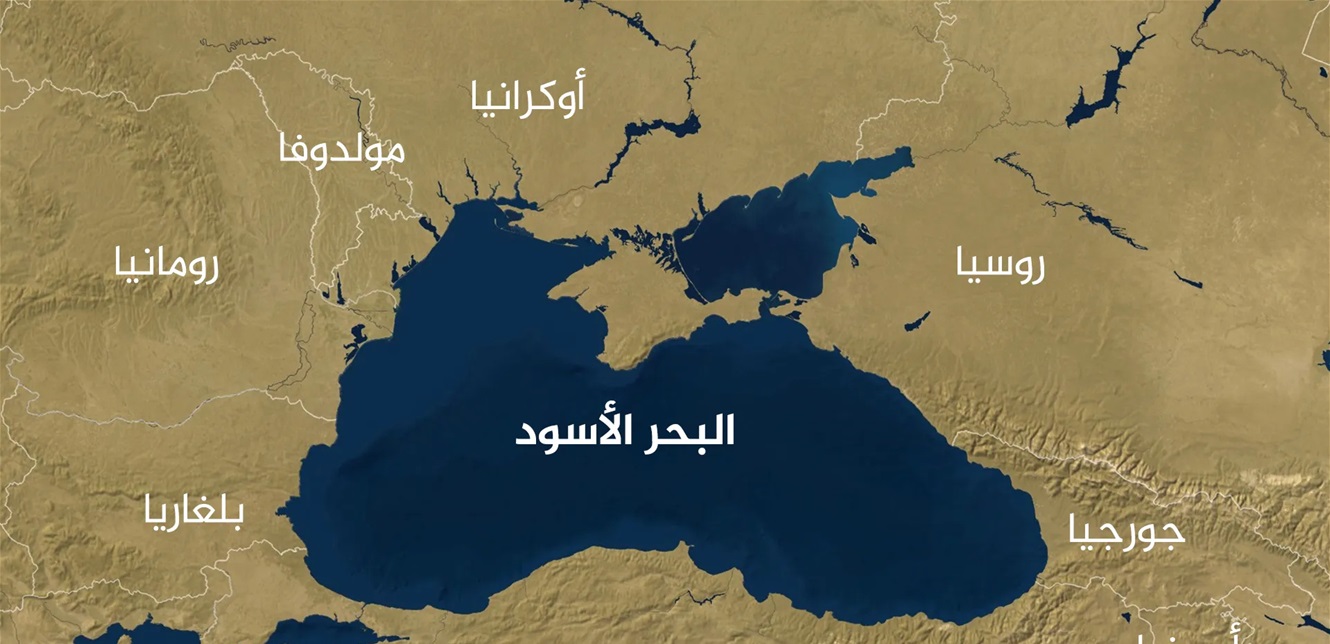
The Black Sea is a vital corridor for the transportation of grains, oil, and fertilizers to various parts of the world, and any disruption to it would have direct global repercussions. The sea spans an area of approximately 400,000 square kilometers and is shared by six countries: Turkey, Bulgaria, Romania, Ukraine, Russia, and Georgia. The sea holds significant strategic importance, serving as a link between southeastern Europe and western Asia, as well as being a major route for energy and trade to Europe.
Turkish Foreign Minister “Hakan Fidan” has warned that the recent attacks are expanding the scope of the war and threatening the safety of navigation in the region. Ships heading to Russian or Ukrainian ports are subject to additional war insurance that is renewed weekly. Russian President “Vladimir Putin” has also hinted at the possibility of responding to these attacks, suggesting potential actions against ships providing support to Ukraine.
According to “Dr. Wissam Naji,” a specialist in international maritime transport, the attacks on ships in the region have led to a partial disruption of Russian oil and Ukrainian grain exports. China, India, and Turkey are the largest importers of Russian oil after most of its exports to the European Union ceased. Since the beginning of the war, China has become the top importer of Russian energy, with import values reaching approximately $219.5 billion, followed by India with $133 billion, and then Turkey with approximately $90.3 billion.
Russia had announced the suspension of oil exports from the port of Novorossiysk after it was attacked by drones. “Naji” explains to Lebanon24 that these attacks have led to a decline in the interest of Greek operators in transporting Russian oil, which has prompted Moscow to rely more on ship-to-ship oil transfers, prolonging the supply route and the arrival time of shipments.
“Naji” believes that the escalating risks have led to a significant jump in insurance prices for ships in the Black Sea, with increases of more than 250%, sometimes reaching 1% of the ship’s value, after previously ranging between 0.25% and 0.3%.
Insurance companies believe that continued attacks could lead to further increases in premiums and possibly an expansion of high-risk areas. Turkey has called on all parties to keep energy infrastructure out of the conflict to ensure the continued flow of supplies. British security reports indicate a significant increase in the level of threat to ships visiting Russian and Ukrainian ports, with recommendations for thorough inspections of ship hulls for fear of limpet mines.
Ukraine holds an important position in the global grain market, providing 46% of sunflower oil exports, 17% of barley, 12% of corn, and 9% of wheat, in addition to its role as a major supplier of fertilizers. 90% of these exports are transported by sea, making any closure of the Black Sea, according to “Naji’s” reading, a direct factor in rising prices globally and a threat to food security, especially in the Middle East and North Africa.
The land transport specialist explains that these disruptions are reflected in several aspects, most notably:
1. Rising prices globally due to the cessation of approximately 20 million tons of Ukrainian wheat from reaching markets.
2. Exacerbation of food challenges in countries that rely on Russian and Ukrainian grains.
3. Ukrainian attempts to increase exports in the 2025/2026 season to ease pressure on prices.
4. Continuing geopolitical risks that keep the possibilities of closure and price volatility in place.
“Naji” affirms that the Black Sea represents a vital artery for the global grain market, and that any disruption to it will quickly reflect on food prices, transportation costs, and insurance, which will affect the food security of millions of people.
Regarding Lebanon, the Beirut port explosion in 2020 led to the destruction of wheat silos, causing the country to rely on storing wheat in mills with a capacity that is not sufficient for more than a month or two. In light of the current maritime tensions, “Naji” believes that building horizontal metal silos in the Bekaa Valley and the Akkar Plain, in addition to encouraging the cultivation of wheat and grains, are necessary steps to enhance national food security.