Police confirm that the number of these cases has doubled since 2012. The Ministry of Health estimates that healthcare and social care costs related to dementia will rise from 9 trillion yen in 2025 to 14 trillion yen (approximately $90 billion) by 2030. This has led the government to consider dementia one of the most pressing political challenges, with an increasing focus on technological solutions.
Across Japan, the use of GPS-based tracking systems is expanding to help families and authorities find patients who wander aimlessly. Some municipalities offer wearable tags and bracelets that automatically trigger an alarm when the affected person leaves a designated area. In addition, retail employees in some cities receive instant notifications to help transform commercial districts into a community safety net that returns the lost within hours.
At the prevention level, Fujitsu has developed the “aiGait” device, which uses artificial intelligence to analyze body posture and gait, aiming to detect early signs of dementia such as swaying while moving, slow turning, or difficulty standing, before they develop into obvious disabilities. The data is converted into charts that doctors can review during regular check-ups, in an attempt to intervene early and help patients stay active longer.
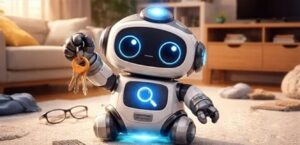
At Waseda University, researchers are working on developing a 150-kilogram humanoid robot called “AIREC,” designed to be a “future” caregiver: helping with putting on socks, preparing scrambled eggs, and folding clothes, with future ambitions to be able to change diapers and prevent bedsores. Other robots are already used in care homes to play music, lead simple stretching exercises, and monitor patients’ sleep via devices placed under the mattresses, reducing the need for continuous nightly rounds by human staff.
However, researchers warn that human-like care robots need at least five years before they reach the level of precision and intelligence that allows them to interact safely with humans, as it requires “full-body sensing” and the ability to adapt to each person and each situation. (BBC)