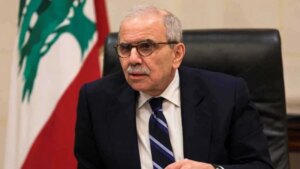
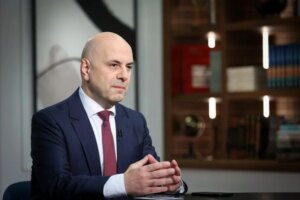
At the beginning of his speech, Fadlallah affirmed that trustworthiness is one of the basic human values that God entrusted to man, pointing out that its concept includes everything related to the management of public and private affairs, adding that “trustworthiness is the capital of human society, by which potentials and wealth are preserved and stability is maintained.”
He warned against considering public money “money without an owner,” stressing that any negligence in preserving it is considered an attack on the entire society, and that the loss of a sense of responsibility has led to the spread of chaos and corruption.
He considered that “the mixing of public and private is the biggest problem in the country,” pointing out that the performance of some officials depends on achieving personal interests and sharing gains instead of efficiency and integrity, which has led to extravagance and the state’s inability to perform its tasks.
In response to a question about the recent government measure to appoint a civilian in the negotiation track, Fadlallah believed that the state rushed and it was better not to make unnecessary concessions, warning that this “encourages the enemy to further intimidate and pressure.”
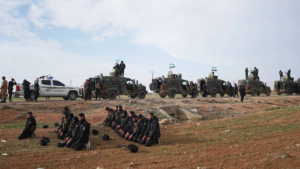
He also expressed his concern about the existence of a plan to replace UNIFIL forces with other foreign forces in the south, which may lead to the creation of a buffer zone that serves Israel’s interests.
Regarding the Pope’s visit to Lebanon, Fadlallah praised the national consensus that accompanied it, but expressed his fear that its impact would be limited to the formal aspect, saying: “We do not want the positives of this visit to end with the end of its ceremonies, then we return to the same division and tense speeches.”