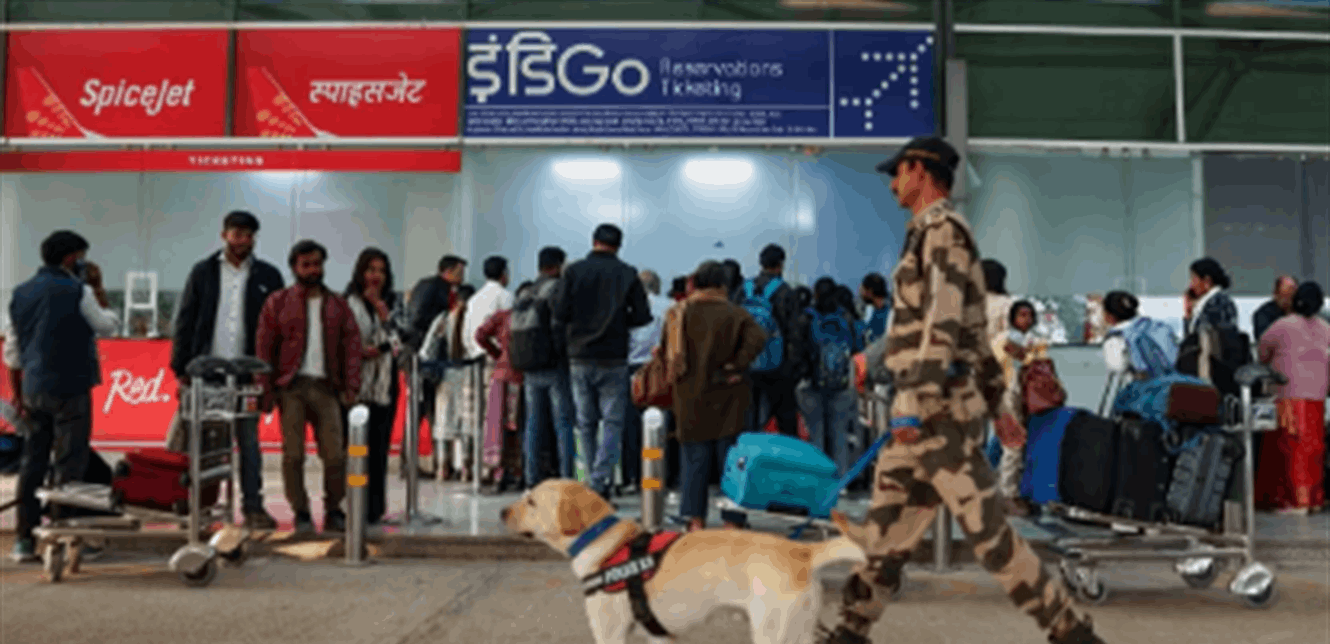
IndiGo controls more than 60% of the domestic market share, but admitted it was not prepared to implement new pilot duty rules that came into effect last November. These new rules include restrictions on night flying hours and stricter rest periods for aircrew. Rival companies exploited the crisis by raising prices on high-demand flights, prompting the government to intervene and set a price ceiling.
Under this decision, fares for flights up to 500 kilometers cannot exceed 7,500 rupees (approximately US$83). A ceiling was also set for fares on medium-distance flights ranging between 1,000 and 1,500 kilometers, including the Delhi-Mumbai route, at 15,000 rupees (approximately US$167), after some flights previously reached 20,419 rupees (approximately US$227). The Ministry of Civil Aviation confirmed that it would continue to monitor prices in real-time and coordinate with airlines.
This crisis is considered the most serious in IndiGo’s twenty-year history, with the company canceling 124 flights from Bengaluru, 109 flights from Mumbai, 86 flights from Delhi, and 66 flights from Hyderabad on Saturday alone, particularly affecting weddings across the country. Authorities granted the company a temporary exemption from some night flying restrictions until February 10, with operations expected to return to normal between December 10 and 15, with additional trains running to transport stranded passengers.
However, pilot organizations criticized this exemption as “selective,” warning that safety regulations “were put in place to protect lives,” while other major companies such as Air India and Akasa continued to operate normally under the new rules.