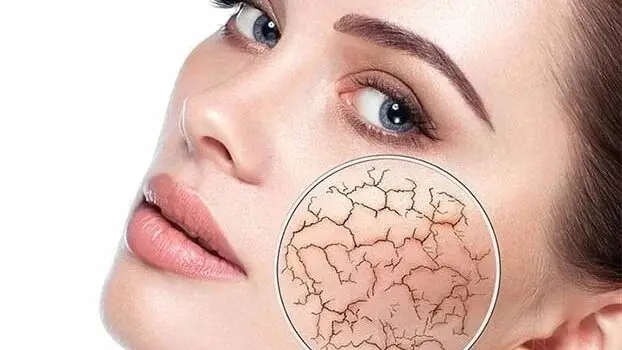
The skin quickly loses its moisture, develops flakes, and appears unhealthy, despite the use of regular moisturizing creams.
Moisturizing is not enough
Although using creams rich in moisturizers seems like a logical solution, the rapid reappearance of dry patches indicates that diet has a greater impact on skin health than just a skincare routine.
In a report for “The Sun” newspaper, Majid Hussain, co-founder of a personalized dermatology service, suggested that avocado may be the ideal solution to overcome winter dryness.
Hussain emphasizes that diet plays a vital role in maintaining skin health, especially in terms of retaining moisture and preventing dryness.
He adds that avocado is considered an excellent food for skin health, due to its content of:
* Powerful antioxidants.
* Monounsaturated fats.
* Vitamins A, C, and E.
* Potassium.
These elements work to enhance skin elasticity, resist the appearance of wrinkles, and provide natural protection against dryness and cracking.
Avocado Shield
Certified nutritionist Louise Paine confirms that avocado plays an important role in strengthening the skin’s lipid barrier, the protective layer that maintains moisture and reduces the peeling common in winter.
Monounsaturated fats also help in the absorption of fat-soluble vitamins such as A, E, and K, which are essential vitamins for skin health and renewal.
Vitamin E is considered essential in protecting the skin from oxidative stress resulting from pollution, sunlight, and harmful environmental factors.
The British National Health Service recommends consuming:
* 3 mg daily for women.
* 4 mg for men.
A medium-sized avocado is enough to provide a person with a large percentage of this recommended amount.
A study from the Journal of Cosmetic Dermatology indicated that eating one avocado daily for 8 weeks led to a significant increase in the elasticity and firmness of the forehead skin in 39 women compared to the control group.
Louise explains that these results need further research, but they suggest that eating avocados regularly may support the skin structure from within, with the added benefit of being easy to add to daily foods, whether in salads, on toast, or in smoothies.