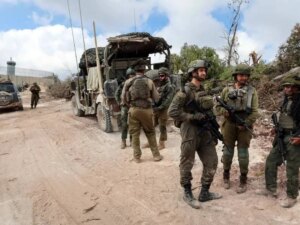
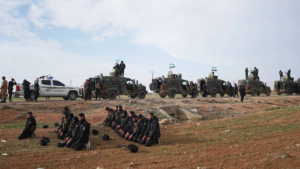
Amid escalating tensions on the Lebanese-Israeli border and growing fears of the region sliding into a wider conflict, a delegation from the UN Security Council arrived in Beirut from Damascus in a visit that is considered the first in years, and carries significant political and security implications. This visit, which comes at a highly sensitive regional time, revives the UN role in addressing crises, after it had almost disappeared under the weight of direct American influence. Apparently, the UN move primarily aims to curb escalation, consolidate the ceasefire, and prevent the war from spreading north, while the delegation opens parallel channels to discuss the implementation of Resolution 1701, the role of UNIFIL, and possible scenarios on the southern border.
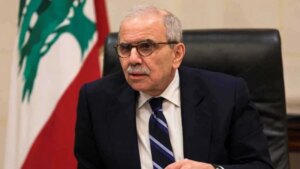
Military expert Brigadier General (Ret.) Bahaa Halal confirms in an interview to that the importance of this visit goes beyond its content, to lie in the fact that it is the first in years, which reflects the Security Council’s desire to prove the effectiveness of its role in light of attempts to marginalize or bypass it in crisis management.
Halal explains that the delegation came to assess the security and political situation on the ground, especially on the Lebanese-Israeli border, in light of the recent military escalation, and to explore ways to activate the implementation of Resolution 1701 and prevent the expansion of the scope of the war between Israel and “Hezbollah,” especially after the developments in Gaza and southern Lebanon.
He points out that the visit also carries additional goals, which are:
• Exerting direct pressure to calm the situation and exercise restraint.
• Preventing any security vacuum on the southern border.
• Discussing the role of UNIFIL and the possibility of enhancing its effectiveness.
• Opening an undeclared negotiating channel aimed at preventing the explosion of the northern front.
Halal adds that there is an implicit dimension to this visit, which is to try to revive the UN role in resolving international conflicts, especially with the emergence of a parallel role for the United States, sometimes covertly and sometimes overtly. He believes that the delegation seeks to affirm the role of the Security Council as a key player in peacemaking.
Brigadier General Halal concludes his statement by emphasizing that the main objective of the visit is: to prevent escalation, consolidate the ceasefire, and affirm the role of the United Nations in containing the tension before it escalates.