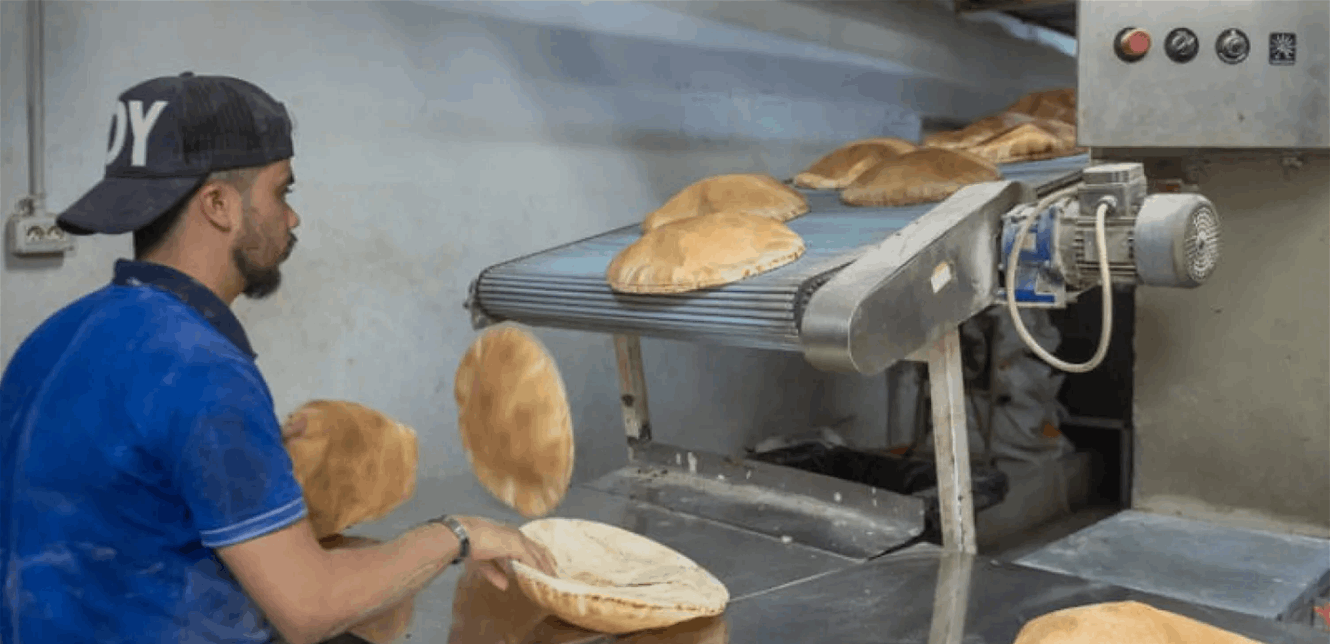
Field estimates and recent opinion polls indicate that the majority of Lebanese, between eight and nine out of every ten, now often prefer locally manufactured products, especially in food, cleaning materials, and some daily products. It is estimated that more than two-thirds of consumers have increased their reliance on “Made in Lebanon” over the past five years, whether due to prices or a growing sense of the need to support the local economy.
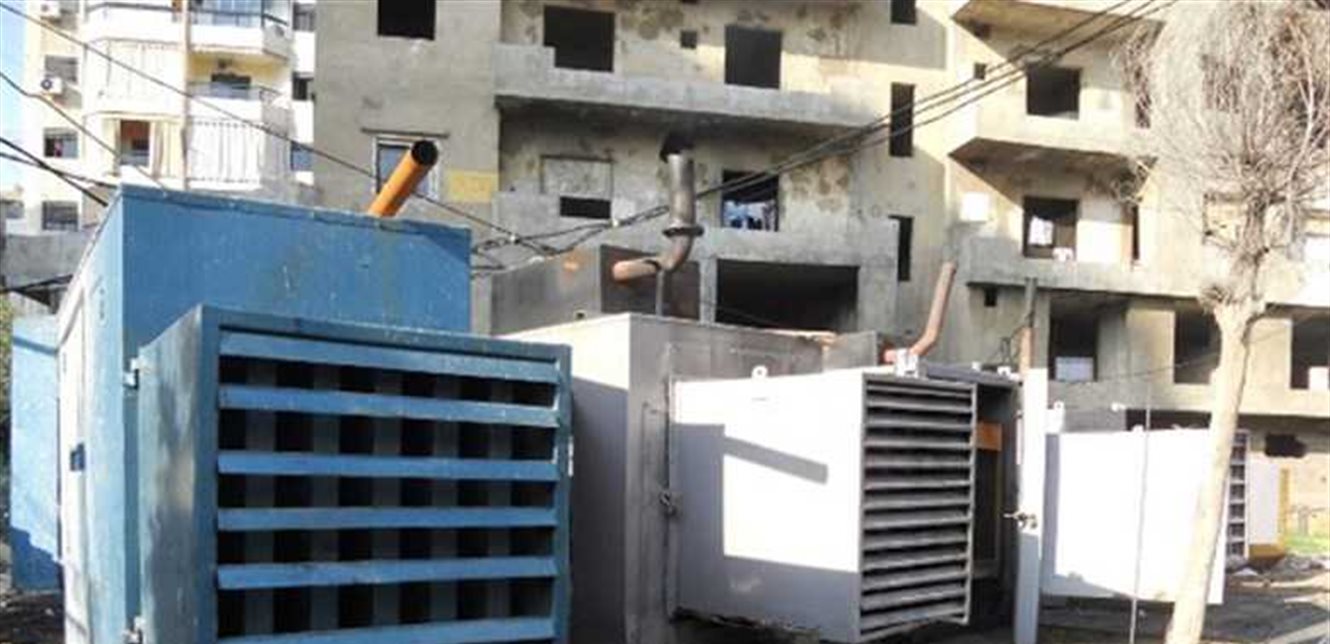
This shift is not only reflected in percentages and estimates, but also directly felt by factory owners and small workshops in sales activity. Many of them speak of an increase ranging roughly between 20 and 40 percent compared to before the collapse, especially in categories that combine acceptable quality with a price much lower than the imported alternative. In return, they face severe challenges, from the cost of energy to purchasing raw materials in dollars, which makes their continuation dependent on a combination of rationalizing expenses, innovation in marketing, and controlling margins to the minimum.
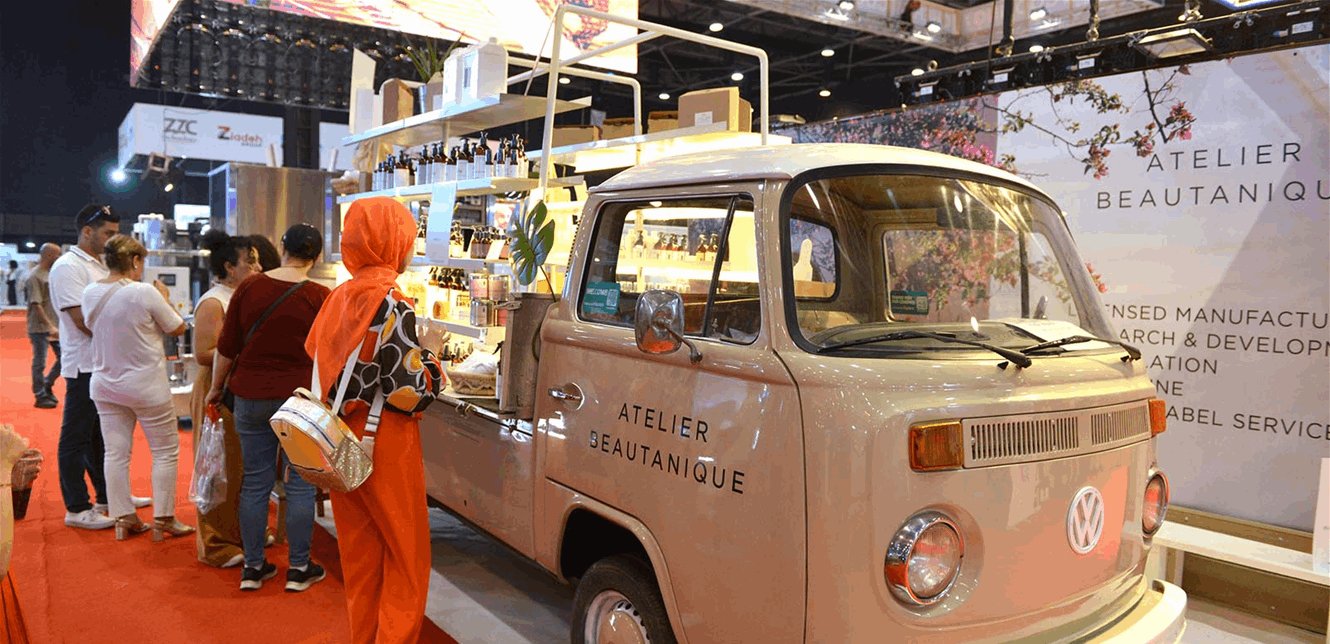
However, it is not just about the price and quality equation. There is a new dimension forming in the Lebanese relationship with what they consume. A segment of the young generation, which naturally tended to foreign brands, now deliberately chooses local products, from rural foods and provisions to clothing, handicrafts, and personal care products. This mood, although it does not negate the size of the crisis or restore the national industry to its lost strength, draws the features of different behavior. The consumer discovers their country through what it produces, not just through what it imports. And in a country that has for many years been accustomed to looking abroad for quality, it seems that the crisis has opened a small gap towards the inside, which, if supportive policies are available, can turn into a real opportunity for a more balanced economy.