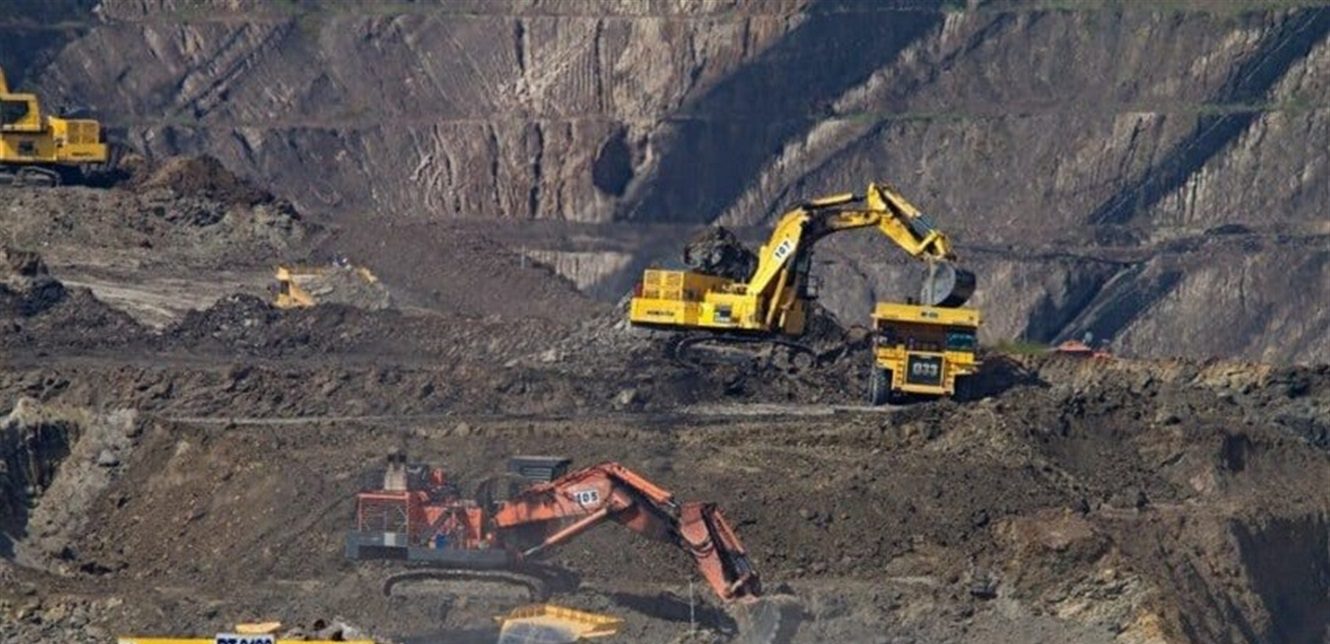
These belts are located within the scope of five regions in the Kingdom of Saudi Arabia: Al-Madinah Al-Munawwarah, Makkah Al-Mukarramah, Riyadh, Al-Qassim, and Hail. They include extended exploration areas from projects that were offered in the previous competition. Among the most important of these areas is the Nabitah/Al-Duwaihi Dahlat Shabab belt, which includes the “Al-Duwaihi Mine,” which has a production capacity of approximately 180,000 ounces of gold per year. It also includes the Sukhaybarah/Al-Safra area, which is considered one of the most important mineral belts in the Kingdom and contains gold, copper, silver, zinc, and nickel minerals, which have been subject to many years of exploration studies by the Saudi Geological Survey.
These belts contain several advanced projects, most notably the “Al-Sukhaybarat Mine,” which is estimated to produce about 729,000 ounces of gold, and the “Bulgha Mine,” which exceeds 50,000 ounces per year, in addition to the Al-Nuqrah belt, which includes important gold deposits and volcanic massive sulfide (VMS) deposits.
These areas rely on a rich technical database as a result of previous exploration work, in addition to the results of the General Geological Survey Program that covers the Arabian Shield with geological and geophysical surveys.
The Ministry clarified that the deadline for submitting pre-qualification applications for competition for exploration licenses in the offered sites is “December 15, 2025.” The Ministry confirmed that it has provided all relevant geological and technical data on the “Tadin” digital platform, including geological information and technical reports for previous licenses in these sites, in addition to geological survey data, in order to enable investors to make informed decisions.
The Ministry also clarified that providing all geological and technical data related to the targeted belts on the “Tadin” platform aims to ensure equality between all competitors and enhance transparency and efficiency in exploration operations. The Ministry expects that this step will contribute to increasing spending on exploration, enriching the national geological database with more technical information, creating new job opportunities, and promoting sustainable economic growth, in line with the Kingdom’s commitment to developing the mining sector according to the highest international standards, with a focus on environmental sustainability and social responsibility. (Arm News)