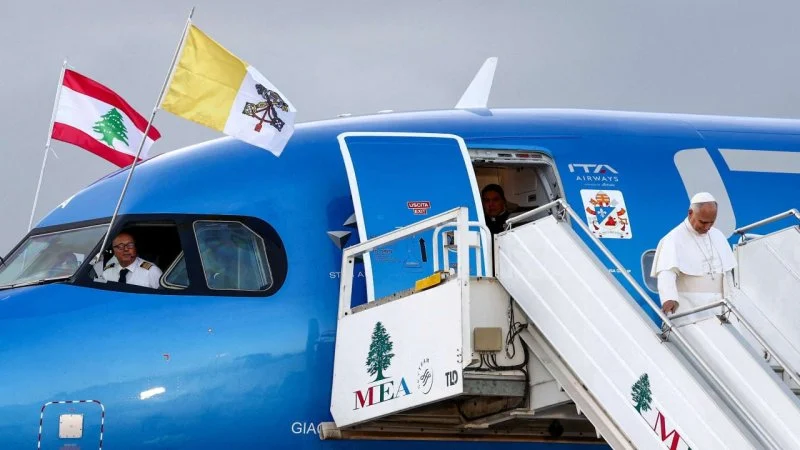
The head of the airport, “Ibrahim Abu Aliwa,” told “Al-Diyar” that “the percentage of arrivals has increased this year by 186%.” He explained that “the number of arrivals in November reached 43,266, compared to 151,346 in the same period last year, and the number is expected to reach 465,000 by the end of this month.” He added, “The airport has stopped all local sightseeing and training flights, while international commercial flights continue without any modification, with a circular to passengers to arrive at least 3 hours before departure times.”
Regarding the hotel sector, the head of the Federation of Tourism Syndicates and the head of hotel owners, “Pierre Al-Ashqar,” stated that “occupancy rates in Beirut currently range between 60 and 70%, which is a remarkable percentage given the current circumstances.” He pointed out that “the rates outside the capital, especially in the coastal areas, range between 35 and 45%.” He considered these figures “relatively better than what was witnessed during the crisis years, when occupancy rates in the capital fell to below fifty percent.”
“Al-Ashqar” explained that “Lebanon has received visitors from several Arab countries, including Syria, Jordan, Iraq, and Egypt, in addition to expatriates whose stay extended for about a month.” He also pointed out that “the largest section of Arab visitors came from Qatar and Kuwait,” noting that “hotel options vary between nationalities, as Iraqis prefer to stay in mid-range hotels in Hamra, while Gulf reservations often go to high-end hotels in downtown Beirut, where prices range between $150 and $400 per night.”
Regarding the upcoming holiday season, “Al-Ashqar” confirmed that “its indicators have begun to appear, although reservations in Lebanon are often made at the last minute.” He added that “small conferences organized by international bodies help to revitalize the sector, albeit in a limited way compared to major conferences.” He pointed out that “the recent Beirut conference witnessed the participation of more than 500 people, in addition to the banking conference that was recently held.”
“Al-Ashqar” concluded his speech by saying that “the absence of security and political stability prevents securing sustainable tourism.” He pointed out that the sector is going through varying periods between months that witness active movement and others that witness stagnation, which directly affects profits. He also confirmed that “some of the recent security events affected the decision of a number of visitors who intended to attend various events,” noting that “the general situation makes those concerned work according to developments, day by day and month by month.”