According to the study, one of the main innovations lies in the flexible cathode. Making aluminum stretchable was a challenge, but the team took an unconventional path. Incorporating aluminum into an alloy of gallium and indium causes the cathode to “crack” when subjected to pressure instead of breaking, as the liquid metal fills the gap. Notably, aging tests showed that the electrode remained conductive even after repeated stretching.
The researchers also developed a flexible polymer layer that includes conductive rings linked by flexible chains, achieving a balance between conductivity and flexibility. Adjusting the ratio of conductive rings to flexible parts improves its electrical performance. These developments pave the way for the production of fully stretchable “OLED” screens.
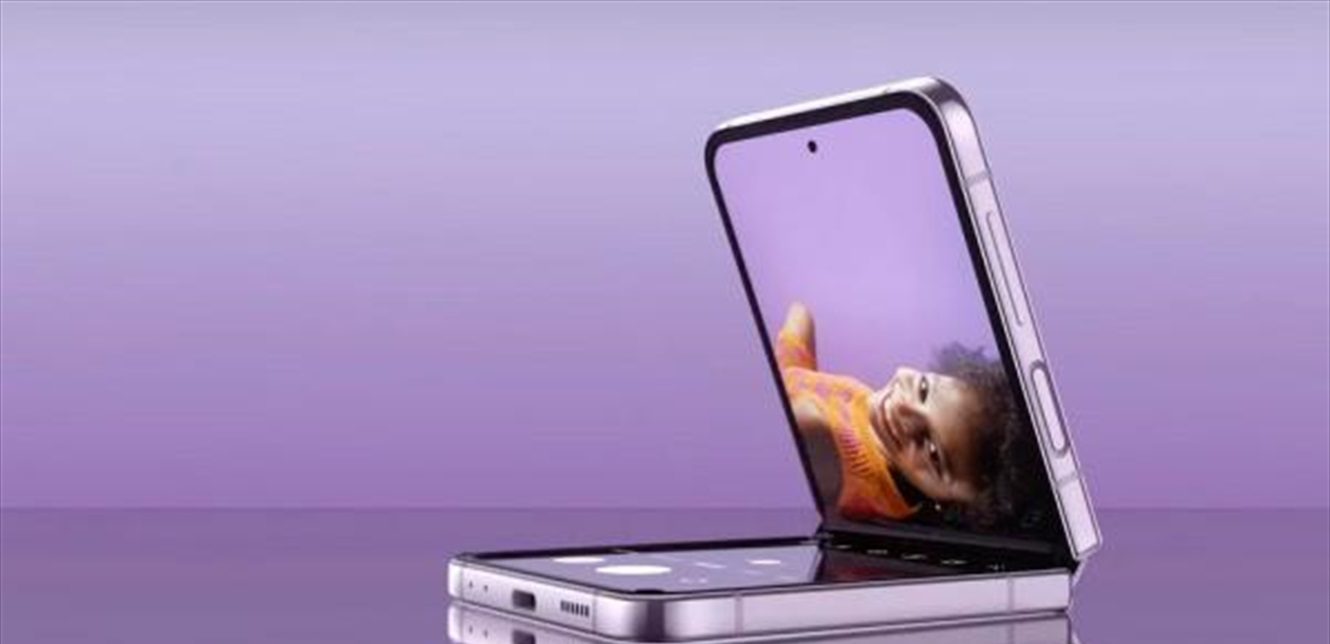
Stretchable “OLED” screens will allow the integration of screens into clothing and medical patches, as well as other applications. It will also allow smartphones to be rolled up and curved tablets to be wrapped around surfaces.
The team also points to the possibility of using them in implantable sensors and robots with realistic skin. These screens can provide light sources for wearable diagnostic patches – those that can be used to monitor health conditions such as “diabetes” or “heart disease”. These materials consist of elements with high and sustainable electrical performance under pressure, enabling the development of electronics and wearables with true flexibility. (اليوم السابع)