Despite the Secretary-General of “Hezbollah,” Sheikh Naim Qassem, affirming the “right to respond” to the Israeli assassination of its leader, Haitham Al-Tabtabai, last Sunday, there are multiple constraints controlling any potential reaction from the party, determining its timing and location, in addition to assessing its repercussions and costs, which may be of the same magnitude as the assassination and its importance.
In the Secretary-General’s recent statement regarding the response to Al-Tabtabai’s assassination, informed diplomatic sources see a kind of convergence, in terms of the regional dimension, with what the Advisor to the Iranian Supreme Leader on International Affairs, Ali Akbar Velayati, announced, considering “Hezbollah” a priority and a need for Lebanon, which is considered one of the constants for both parties.
The diplomatic sources emphasize that it has become clear to everyone, both internally and externally, that the party possesses the decision-making power, which is evident from the announcement of its Secretary-General about making the decision to respond, or in other words, the decision of war, after Israel’s assassination of its military leader a week ago in the southern suburb. Velayati had preceded him by announcing the rejection of handing over the party’s weapons, which have become more important than bread for Lebanon.
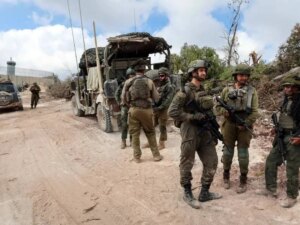
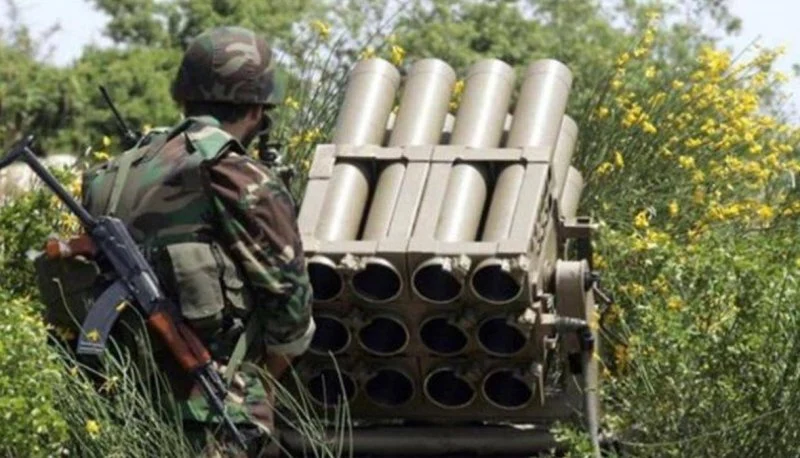
The same sources also pause at the timing of the party’s position, which came just hours after a field tour organized by the Lebanese army to announce its operations in the areas south of the Litani River, during which it presented the party’s sites and weapons it had confiscated from “Hezbollah,” meaning the evacuation of this area from any armed presence of the party.
Based on this, these sources question the party’s ability to carry out the response announced by Qassem, specifically from the south, and about the government’s role in this context regarding its decision to confine weapons to the legitimacy in the area south of the Litani River, and the serious problem that may arise from such a step, whether at the level of the internal arena and the sharp political division over the decision of war and peace, or at the military level, especially in light of the recent Israeli threats to “strike areas it has not reached before due to American pressure.”