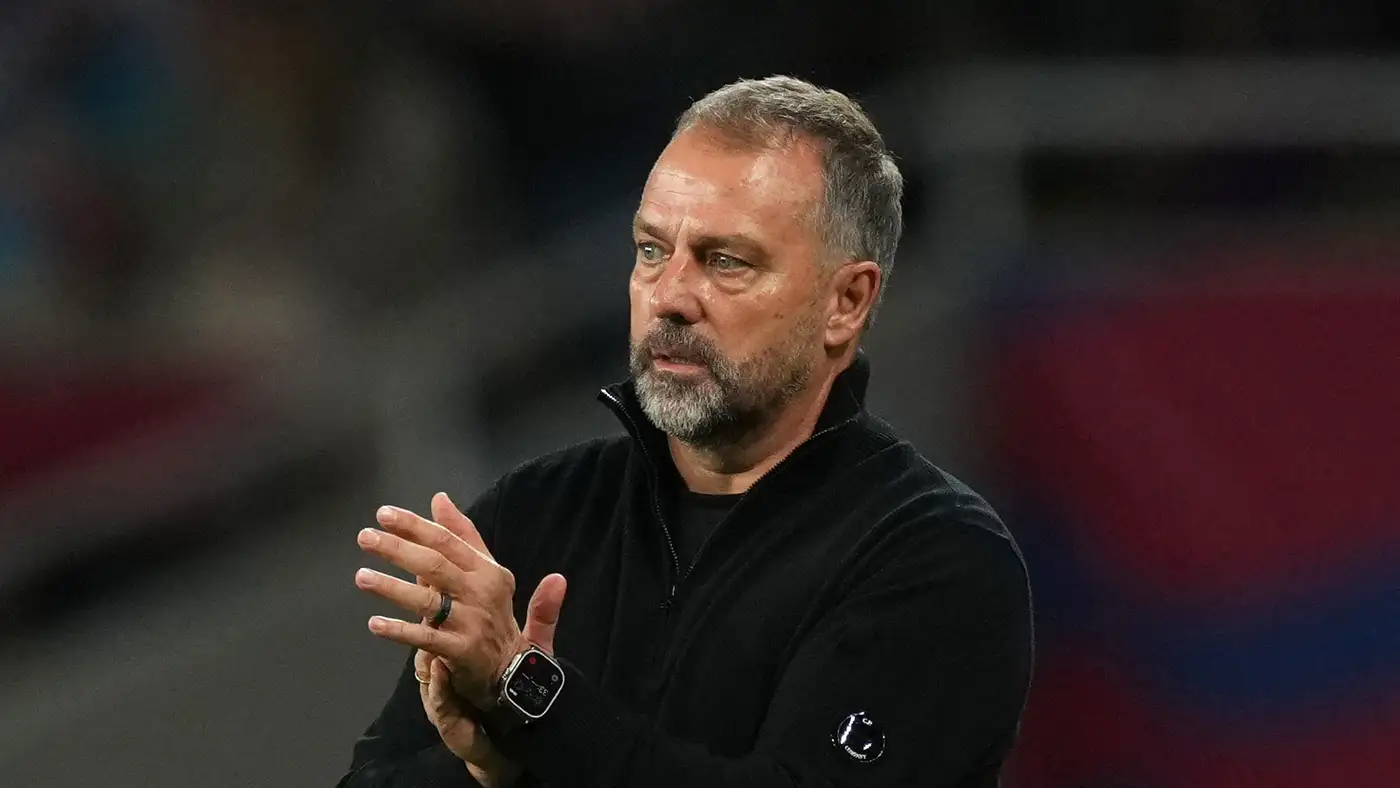
Barcelona coach Hansi Flick believes that restoring Barça’s original identity begins with a return to the “Spotify Camp Nou,” noting that playing at the team’s stronghold is not just a physical move, but a fundamental step towards reviving the fighting spirit and historical connection between the team and its fans.
The German coach believes that the team’s presence within the walls of its historic stadium is a sporting and moral necessity at the same time.
Barcelona announced on its official website the team’s return to playing its matches at “Camp Nou” starting with the match against Athletic Bilbao in the 13th round of the Spanish League on November 22.
According to the Spanish newspaper “Mundo Deportivo,” Flick has repeatedly expressed his enthusiasm for leading Barcelona at “Camp Nou,” stressing that the stadium is the cornerstone in restoring the essence of the Catalan style of play and identity.
During the presentation of the official stadium, Flick explained that “Camp Nou” represents a symbol of ambition and a source of energy that the team needs to overcome difficult moments and achieve victory.
In an interview with the club’s media, Flick recalled his first memories at “Camp Nou,” when he first visited it more than two decades ago.
At that time, he was working in a sports equipment store, before Nike gave him the opportunity to attend a team match in recognition of his high sales. There, between the stands, the dream of coaching Barcelona was born, which later became a reality.
Flick said: “In that period, 20 or 23 years ago, I was the biggest seller of team sports products in Germany for 5 or 6 years. We were invited to attend a match here in Barcelona. I sat in the stands and said: Well, one day I want to train here.”
He added: “It was a match against Getafe, which was coached by Bernd Schuster. I said: One day I want to be a coach here… and I achieved that,” expressing his joy at achieving a long-awaited dream.
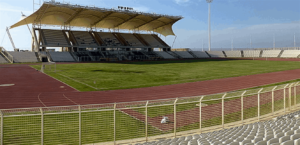
Flick joined the club in the summer of 2024, at a time when the team was temporarily playing its matches at the Lluís Companys Olympic Stadium.
However, this move did not provide the usual atmosphere at “Camp Nou,” as the level of encouragement in Montjuïc remained a subject of discussion throughout the season. The distances between the stands and the field, the vastness, and the absence of a closed environment, all deprived the team of the atmosphere it was accustomed to in its historical stronghold, despite the fans’ efforts to support the team continuously.
Flick dealt with these challenges realistically, stressing in his press conferences his appreciation for the fans’ commitment, especially in important matches. But on the other hand, he believes that returning to “Spotify Camp Nou” will be a fundamental step in strengthening the team’s competitive identity.
Flick believes that the stadium will play a decisive role in difficult matches, and will represent a strong boost for the rising talents from “La Masia” during their transition to the first team, as part of his efforts to establish the foundations of his sports project.
For Flick, returning to “Camp Nou” goes beyond just changing the stadium; it is a final step towards restoring Barcelona’s full identity, with the support of its fans and an emotional connection that can only be provided by a stadium of the size and value of the Catalan club.
History of “Camp Nou”
“Camp Nou” is considered one of the most prominent sports structures in the world, and a symbol of the identity of the ancient Barcelona club.
It was officially opened on September 24, 1957, after years of planning and construction to meet the club’s growing needs after successive successes in Spanish football.
The construction of “Camp Nou” came as a solution to the previous stadium, “Camp de les Corts”, which could no longer accommodate the increasing numbers of fans and was below the level that the club aspired to at that time.
Initially, “Camp Nou” was designed to accommodate about 93,000 spectators, making it one of the largest stadiums in Europe at the time. Its architectural design came to keep pace with international standards, with large seating areas and a stadium equipped with the latest technologies in that era.
The large area of the stands contributed to creating a distinctive atmosphere inside the stadium, making it quickly the focus of attention of football fans from all over the world, and home to Barcelona fans known for their intense enthusiasm.
Over the decades, “Camp Nou” has witnessed many developments and expansions. In the seventies and eighties, the club began to make improvements to the facilities and infrastructure, including expanding the stands and installing comfortable seats, in addition to developing areas dedicated to the media and luxury boxes. Over time, the stadium became equipped with the latest lighting systems and display screens, with improvements in safety and security systems, making the fans’ experience more comfortable and safe.
Among the historical events hosted by the stadium is hosting many major matches, whether at the local or international level. It has hosted the finals of the Spanish King’s Cup and the Champions League, in addition to the matches of the Spanish national team during different periods.
The history of “Camp Nou” is not limited to football only, but it has also hosted other sports events and huge musical concerts, reflecting its status as a cultural and sports landmark in the heart of Barcelona.
“Camp Nou” is considered more than just a stadium; it is a symbol of the identity and culture of the Catalan club. The famous wall at the entrance to the stadium, decorated with images and achievements of the club, reflects Barcelona’s history spanning more than a century. The stadium has also become an important tourist center, where thousands of visitors visit annually to learn about the club’s museum and take a tour around the stadium, allowing them to experience a historical, cultural and sports experience at the same time.
In recent years, “Camp Nou” has entered a new phase of development with the “Espai Barça” project, which aims to modernize all the club’s facilities and increase the stadium’s capacity.
The project includes improvements in infrastructure, the creation of multi-use areas, the improvement of public services, in addition to providing the latest technologies in lighting, sound and monitoring.
This project aims to make “Camp Nou” one of the most developed stadiums in the world, while preserving its historical and cultural identity.
“Camp Nou” remains a true icon of football, not only as a large stadium with a distinctive architectural design, but also as a symbol of the club and its fans, where every corner of the stadium carries memories of victories and championships, from historical goals to decisive moments in European and local tournaments.
The history of “Camp Nou” is the history of Barcelona itself, where every expansion or development reflects the club’s desire to keep pace with the times without abandoning its ancient heritage.