In an interview with Politico magazine on Wednesday, Klitschko said, “We have huge problems with soldiers and with human resources,” noting the long-term impact of the war on Ukraine’s ability to replace its army’s losses.
He pointed out that Russian forces are constantly advancing, describing the attacks as “like a computer game, they keep advancing and don’t care about the soldiers who have fallen.”
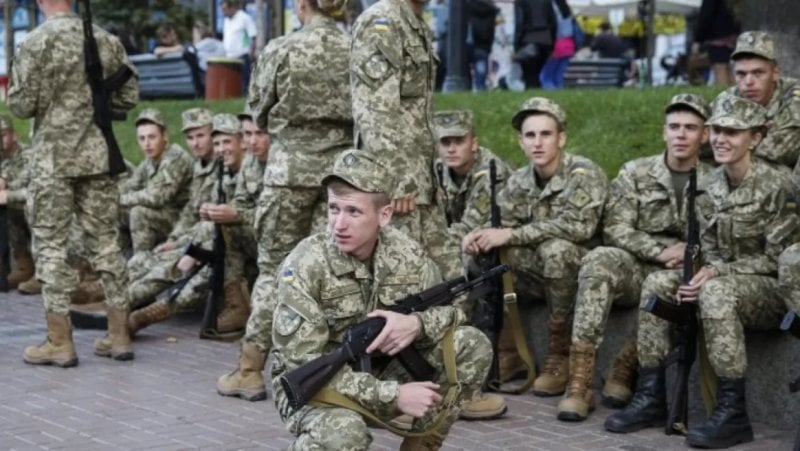
Under current laws, Ukrainians are allowed to be recruited starting at the age of twenty-five, while Klitschko called for lowering the legal conscription age to 23 or even 22, recalling that 18-year-olds used to serve, but are now considered “too young.”
Klitschko’s statements reflect a growing concern about the increasing migration of young people, especially after a government decree issued last August allowing men between the ages of 18 and 22 to leave the country, which coincided with a marked increase in the number of Ukrainian asylum seekers in EU countries.
Recent data showed that EU countries granted more than 79,000 new temporary protection decisions to Ukrainians last September, the highest monthly figure in two years, with significant increases recorded in Germany and Poland.
Klitschko stressed that the human resources gap between Ukraine and Russia is widening, adding: “The Russians have a system and they are advancing. We have successfully defended our country for almost four years, but it is difficult.”
The Mayor of Kyiv stressed that the country’s future depends on the return of young people after the end of the war, saying: “We will be happy if only half of them return, but to achieve this we need peace, job opportunities, and a good standard of living… After the war, we face serious challenges.”