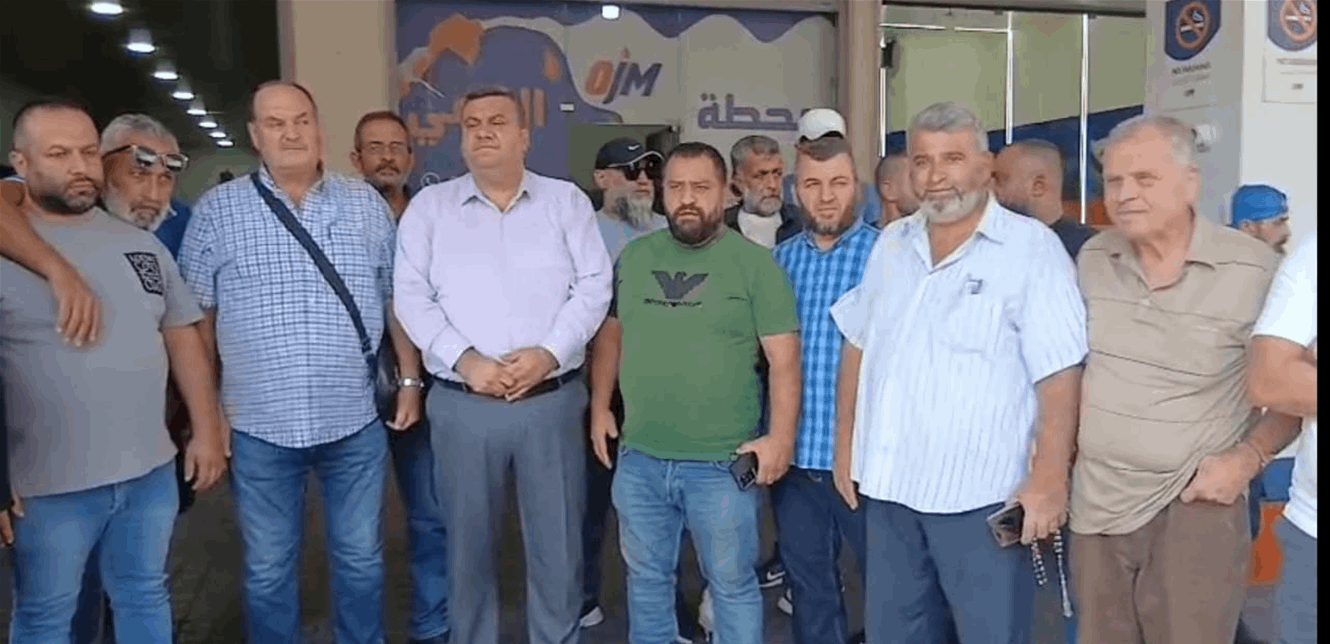
The protesters presented the problem they are facing, and pointed out that “a large number of families benefit from these stations and that only Tripoli is obligated to implement this text, while other neighboring areas are not concerned at all with this decision,” and they demanded that “the government and security and administrative officials in the north reconsider the decision because it is unfair and unjust.”
The head of the Federation of Trade Unions of Workers and Users in North Lebanon, النقيب شادي السيد, explained that “today’s stand in Al-Tabbaneh is from the depths of deprivation in Tripoli, in protest against the city’s exclusive decision to stop stations supplying the public in Tripoli and the vicinity with liquid gas,” and he asked: “What is the reason for dealing relatively with this file, especially in light of the presence of gas tanks in the city of Tripoli and various locations and in institutions, restaurants and buildings that do not meet the specifications, and despite that they are licensed and allowed to continue working?”.
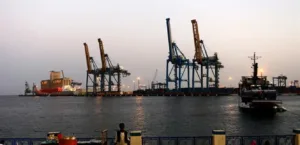
He stressed that “the city of Tripoli is already suffering from deprivation, and this step will increase the number of unemployed, especially after the kiosks were closed and removed from public roads and within the scope of the Al-Fayhaa cities,” and he pointed to “the crisis of the port of Tripoli, which recently suffered an operational disaster on the ground.”
He called on the Attorney General in the North, Judge Hani Hajar, to “receive a delegation from the station owners to listen to him and discuss the conditions that can be adhered to, provided that these stations continue to operate for several reasons, including the citizens’ need for them, and the large number of workers who depend on them for their livelihood.”
السيد said: “We have begun to feel that Tripoli is being targeted and that its livelihood is exposed to pressures, and this is what we will not accept. Today, the talk is directed to all officials that we want to obtain conditions and adhere to them, and that work remains continuous. What was possible in 2020 was certainly not possible in 1943, so clarification was necessary.”