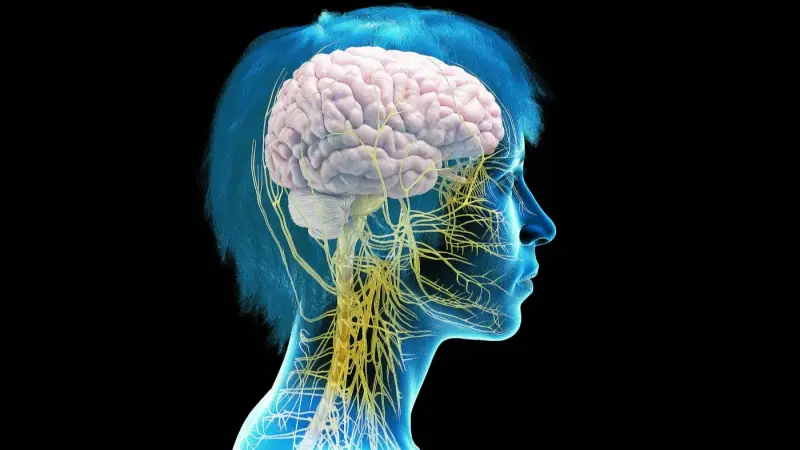
A recent study has shown that the way we breathe during sleep may be a key element in improving memory and regulating how information is stored in the brain. The study suggests that regular breathing helps achieve harmony between brain waves responsible for consolidating memories.
The Effect of Breathing on Memory
The research team explained that the brain does not completely stop working during sleep, but shifts to a different pattern, where the “hippocampus” organizes information and converts it into long-term memory. It has been found that there are three types of brain waves associated with breathing during deep sleep “of the non-rapid eye movement (NREM) type,” which are: “slow waves,” “sleep spindles,” and “fast waves (ripples).”
The study, published in the journal “PNAS,” revealed that the rhythm of breathing coordinates the timing of these waves within the “hippocampus,” which increases the effectiveness of memory.
The results showed that breathing problems during sleep, such as “sleep apnea,” may disrupt this precise coordination and weaken the process of consolidating new information during the night.
The researchers confirmed that regular and deep breathing during sleep is not only limited to general health benefits, but also contributes to improving learning abilities and long-term memory. They called for more studies on healthy individuals to investigate the possibility of stimulating natural breathing during sleep to improve memory.
(Translations)