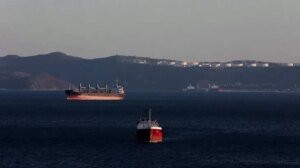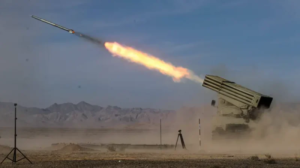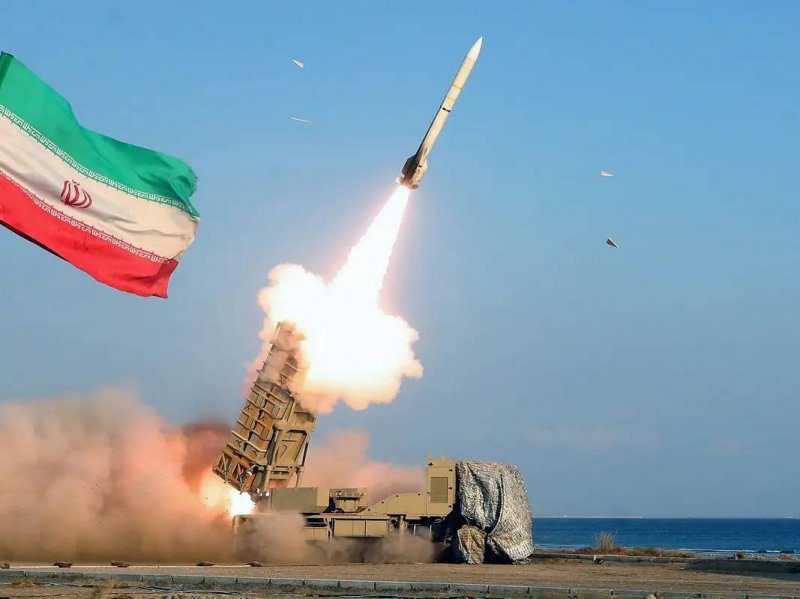
According to information published by CNN, citing European intelligence sources, the Iranian port of Bandar Abbas has received large shipments of “sodium perchlorate” from China, a key ingredient in the solid fuel used in medium-range missiles.
Information indicates that these shipments began arriving on September 29th, with a total volume of about 2,000 tons, as part of a deal concluded by Tehran with Chinese suppliers after its confrontation with Israel last June, aimed at compensating for the deficit in its missile stockpile resulting from that confrontation.
Reports confirm that between 10 and 12 shipments of this material have arrived in Iran after the reimposition of sanctions, indicating an accelerating pace of Iranian rearmament despite international restrictions.
Sources reveal that the transfers are carried out through complex networks of front companies, some of which are subject to U.S. sanctions, in addition to using a fleet of dark tankers to conceal the origin of oil or sensitive materials destined for Iran.
China is considered Iran’s most prominent economic ally, continuing to purchase the bulk of its oil exports, and considers that trade in materials not explicitly prohibited falls within its sovereign right to manage its exports, despite its indirect impact on supporting the Iranian missile program.
These developments come after the re-activation of international sanctions on Iran at the end of September, due to its violation of the terms of the 2015 nuclear agreement, which prohibits Tehran from any activity related to missiles capable of carrying nuclear warheads, and obliges UN member states to prevent the supply of materials or equipment that could contribute to the development of such systems.
However, China and Russia have rejected the reimposition of sanctions, considering that they hinder the diplomatic track aimed at addressing the Iranian nuclear issue.
Although “sodium perchlorate” is not mentioned by name among the materials prohibited from being exported to Iran, it is used in the manufacture of ammonium perchlorate, an internationally banned oxidizer used in the manufacture of ballistic missiles.
Experts believe that the absence of an explicit provision in UN resolutions gives Beijing a legal margin allowing it to continue exporting this material without considering it a direct violation of sanctions.