لبنان اليوم
The rental crisis is worsening in Lebanon, and its repercussions are affecting wide segments of society.
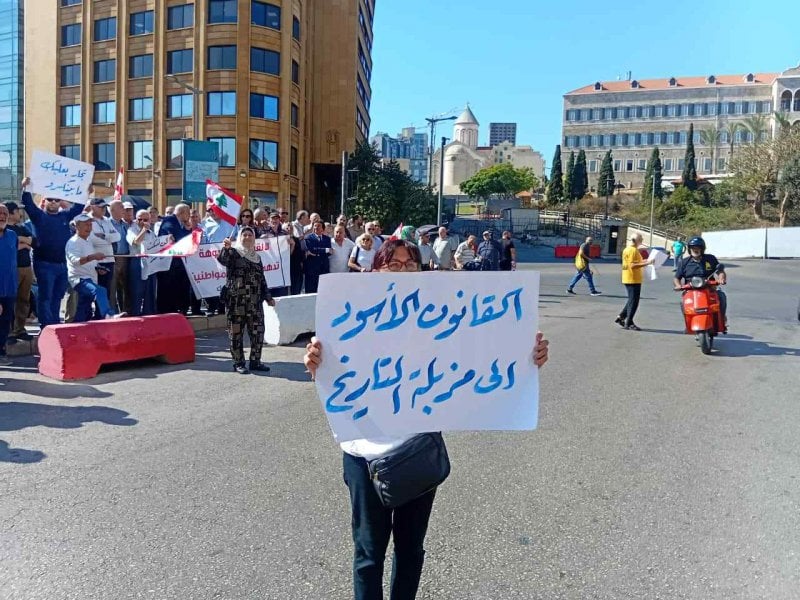
In this context, the “Tenants Defense Committee,” with the participation of the “Old Tenants Committees” from various Lebanese regions, carried out a sit-in in Riad El Solh Square in Beirut. The aim of this move is to demand amendments to the non-residential rent law No. 11/25, and a comprehensive reformulation of the residential rent law.
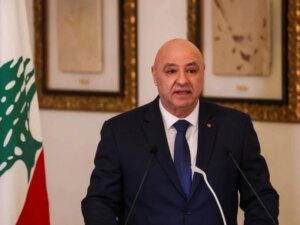
, the head of the National Federation of Labor Unions and Employees, Castro Abdullah, stated: “Today’s move comes from the people’s pain, in light of the worsening housing and non-housing rental crisis. We are moving because we reject the chaos that has begun to worsen with the implementation of the recent amendments to the rental law.”
Abdullah explained that “We have a new dilemma today, as the current laws, instead of addressing the problem, make it more complicated. According to the new amendments to the law, the rental period has been extended from two years to between five and eight years, with a reduction in the compensation rate from 8% to 5% of the value of the leased property. This has led to reactions from some owners, experts and brokers, who have raised the assessment values illogically. For example, in one street, the first assessment about a month ago was $1,200, but just ten days ago, an expert came and told the tenant that the meter had become $5,000. This is a real disaster, and confirms that real estate speculation is out of control, while some influential people seek to control people’s property, so tenants and owners are harmed together.”
Abdullah confirmed that “This law, even with its recent amendments, does not solve the crisis, but rather violates a set of other laws, including the Commercial Law, the Owners Law, and Law No. 11/67 related to eviction allowances, and the result is that citizens are deprived of their rights to decent housing.”
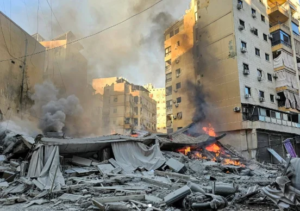
Abdullah also pointed out that “The housing crisis is worsening further with the continued presence of tens of thousands of Syrian refugees who occupy housing that was available to the Lebanese, and with the destruction left by the Israeli aggression, where more than 1,500 residential and non-residential units were destroyed. In light of these circumstances, it becomes difficult, if not impossible, to secure alternative housing for people, especially the elderly, the youngest of whom are between 65 and 70 years old, and the majority of whom are retired, sick, and have no one to support them. Even those who had savings in banks lost them as a result of the financial crisis. Today, the citizen is unable to secure electricity and water, so how can he bear the double burdens of rent? In addition, we have the “Overfloor” law issued since 1980, which relates to collecting funds from building violations to allocate them to build about 20,000 housing units, but until today we do not know where this money went and how it was spent.”
Abdullah criticized the two institutions concerned with addressing the housing crisis, saying that “The Public Housing Corporation has been affected by the financial collapse, and the Housing Bank sets special conditions that the average citizen cannot meet. Consequently, we find ourselves facing a scene that exacerbates the suffering of the most vulnerable groups, the elderly, the retired, and the sick. These are paying the price of real estate and financial policies that do not take into account the reality of people or their ability to persevere.”
Abdullah stressed that “The continuation of the current situation will make the crisis exist until 2029 without any real solutions. The rent fund does not have sufficient funding, and the state seems unable so far to find a fair solution. From here, we affirm that the state is required to assume its responsibilities and find solutions that are fair to both parties, i.e. tenants and owners alike. Just as the tenant suffers from high prices and declining purchasing power, the owner also suffers from low income, despite the high value of real estate, because he cannot sell it or benefit from it due to the laws in force. The purchasing value of people’s wages has collapsed, just as the purchasing value of owners’ income has collapsed, so no party should bear the burden alone. The responsibility here lies with the state, which must intervene immediately to address the crisis.”
Abdullah suggested “Returning to Law 160/92, and conducting a comprehensive review of everything related to the rental file, with responsibilities divided between the state, municipalities, endowments, and all other concerned parties. The solution must be comprehensive and multi-dimensional, not a single rigid approach. This can be achieved by building subsidized housing, encouraging cooperative societies and endowments to establish residential complexes dedicated to rent, amending the ownership rental law to ensure a balance between the rights of the owner and the tenant, in addition to imposing fair taxes on marine and river properties to allocate their revenues to housing and public housing. We also demand addressing the file of shops and commercial establishments, as many of their owners have paid exorbitant key money and are facing difficult conditions today that require realistic solutions.”
Abdullah concluded by emphasizing that “The current crisis requires legal amendments and new legislation that keeps pace with the social and economic reality, and we will continue to raise our voices and move until we reach a fair and comprehensive solution.”
source: 961 today