1- Missiles:
First – before the war:
20 thousand short- and long-range missiles
– Ability to launch thousands of missiles in a short time
The range is up to 250 km, most of which are unguided, made locally or smuggled from Iran
Second – After the war:
– Significant depletion, with estimates of about 3,000 missiles remaining
– Attrition rate reaches 90%
– Most of the remaining missiles are short-range
– Launching decreased to low levels (only two missiles in September)
– All rockets are homemade or recovered from Israeli unexploded ordnance
2- Missiles:
First – before the war:
– Estimates of the presence of 20 thousand shells
– It is considered an essential part of the arsenal
Second – After the war:
– Discover and destroy large hidden quantities
– 90% reduction in usage
-Some are kept for ambushes only
3- Marches:
First – before the war:
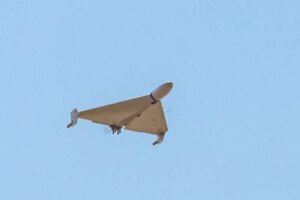
– Dozens of marches, including 35 self-detonation marches
– Inspired by Iranian reconnaissance and bombing designs
– It was used in the October 7 attacks to destroy watchtowers
Second – After the war:
– Destruction of most production capabilities
– There are no accurate estimates of the remaining marches
– Focusing on simple or smuggled trips across the border
4- General and light weapons:
First – before the war:
-There were thousands of small arms including assault rifles, machine guns, sniper rifles and sniper rifles
– There were hundreds of RPG launchers
There were 300 anti-tank missiles in addition to hundreds of mines
Second – After the war:
The movement maintains thousands of light weapons for ambushes
– There are sniper rifles as well as machine guns still available for individual operations
5- Bombs and explosives:
First – before the war:
– Thousands of bombs and explosives, including hand grenades, mines and thermobaric bombs, were used in suicide operations and ambushes.
Second – After the war:
– Maintains basic capabilities to manufacture improvised explosive devices from unexploded ordnance
– Production is limited due to the blockade
(Erm News)